Most teams say they know their customers, but that confidence is often built on thin evidence. A few CRM fields, a handful of campaign reports, and last quarter’s persona deck can make the audience look clearer than it really is.
Customers now leave signals across marketplaces, reviews, search behavior, community discussions, product Q&A, and competitor pages. Customer profiling and scraping help teams collect public signals in a structured way, so market segmentation data reflects how people actually compare, complain, buy, and switch.
The goal is not to collect personal details or build invasive profiles. The useful goal is to understand audience patterns at the segment level. When done responsibly, online consumer analysis can help marketers, product teams, and analysts build persona data that is current, specific, and easier to act on.
Why Static Personas Fall Behind
Traditional personas are useful starting points, but they age quickly. A “budget-conscious buyer” may become a “trust-sensitive buyer” after a market gets crowded with low-quality sellers. A “premium user” may become more value-focused when competitors add bundles, reviews turn negative, or delivery expectations shift.
That is why online segmentation needs a stronger data layer. Public web data can show which attributes customers compare, which complaints recur, which price points trigger hesitation, and which benefits most often appear in positive reviews. Tools such as Google Trends can help compare shifts in search interest before they appear in sales reports.
The best segmentation work does not replace internal data. It combines first-party CRM, sales, support, and product usage data with external signals from the wider market. That mix gives teams a more honest view of customers because it connects what people do with your brand and what they say or compare elsewhere.
Customer Profiling Scraping Turns Signals into Persona Data
Customer profiling scraping works best when the business question comes first. A marketing team may want to know which buyer groups respond to value messaging. A product team may want to identify feature gaps from reviews. A strategy team may want to compare how audience needs differ across marketplaces, regions, or product categories.
The data model should follow that question. For persona development, useful public signals often include:
- Review text, ratings, timestamps, and complaint themes across relevant platforms.
- Product attributes, price bands, bundles, seller signals, delivery promises, and availability.
- Public Q&A sections, comparison language, discussion topics, and recurring objections.
- Search and trend data that shows whether interest is rising, flattening, or shifting by region.
A skincare brand, for example, may find that one audience segment talks mostly about ingredients and sensitivity, while another focuses on price, quantity, and delivery speed. Both groups may buy the same product category, but the message, landing page, and offer logic should not be the same.
From Online Behavior to Practical Customer Segments
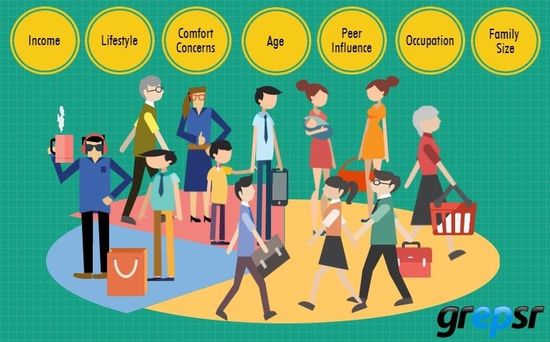
Online behavior becomes valuable when it helps teams separate customers by decision drivers, not just demographics. A segment can emerge from repeated price sensitivity, comparison depth, review language, response to discounts, seller loyalty, or trust signals such as ratings and return policies.
In e-commerce, this can lead to more useful segments than broad labels. One group may behave like bargain hunters, scanning discounts and shipping fees before anything else. Another may act like comparison shoppers, reading reviews and Q&A before choosing. A third may be trust-sensitive, where warranty, seller credibility, and verified feedback matter more than a small price gap.
These segments are not perfect truths. They are working models that should be tested against campaign response, conversion, churn, and repeat purchase behavior. The point is to connect personas to real buying patterns.
Use Review and Social Data Responsibly
Reviews and public social conversations can add depth to market segmentation, but they also require caution. Review data is powerful because customers often describe problems in their own words. It can reveal unmet needs, confusing product claims, common objections, and feature requests that may not show up in structured surveys.
At the same time, review integrity matters. The U.S. Federal Trade Commission’s final rule on fake reviews took effect in October 2024 and bans several deceptive review and testimonial practices, including reviews attributed to people who do not exist or who lack real experience with the product. Bad input can create misleading personas.
Social data should also be treated as an aggregate market signal, not as a shortcut to sensitive personal profiling. Teams should focus on public themes, language clusters, community interests, and sentiment patterns. They should avoid collecting private information, inferring sensitive traits, or building profiles that customers would reasonably find invasive.
Integrating Web Data with CRM Profiles
The strongest audience view usually comes from connecting external web data with first-party information. CRM data can show lifecycle stage, purchase history, account value, support tickets, and campaign engagement. Public web data adds context around the market, including what customers compare, what competitors promise, and where sentiment is shifting.
The integration should happen carefully. In most cases, external data should improve segment-level understanding rather than attach public signals to identifiable people. For example, a team can use review patterns to update messaging themes for an existing CRM segment, or use marketplace data to explain why a campaign performed better in one region than another.
This is where governance matters. Teams should define which sources are allowed, which fields are collected, how long data is stored, who can access it, and how personal or sensitive data is handled. Good segmentation must also protect customer trust.
Extract Data from Complex Marketplaces Without Losing Context
Many of the richest customer signals live inside complex marketplaces. These sources show product rankings, seller behavior, price changes, sponsored placements, review velocity, stock status, and attribute-rich product pages. For online consumer analysis, they can explain what customers actually see when they compare options.
The challenge is that marketplace data is messy. The same product may appear under different sellers, titles, regions, or bundles. Pages may rely on JavaScript. Review sections may load separately. Rankings can change by location, search term, or device. If the extraction process ignores that context, the dataset can look clean while still telling the wrong story.
Teams that need to extract data from complex marketplaces should pay close attention to field definitions, source coverage, refresh cadence, and validation checks. Grepsr’s e-commerce data extraction services page shows how product, pricing, review, availability, and marketplace signals can be structured for analysis across fast-changing digital shelves.
Where Grepsr Fits
Grepsr helps teams turn scattered public web signals into structured datasets for segmentation, customer profiling, sentiment analysis, and marketplace monitoring. Its analytics solutions are relevant for teams that need clean external data for research and reporting, while its customer sentiment analysis customer story shows how review and feedback data can support product and market decisions. If the goal is to scope a repeatable profiling workflow, the most useful next step is to define the sources, fields, privacy boundaries, refresh frequency, and output format before building the pipeline.
Conclusion
Market segmentation and customer profiling work best when they are grounded in current behavior, not old assumptions. Public reviews, marketplaces, search trends, Q&A sections, and community conversations can help teams understand what different customer groups value, where they hesitate, and how their expectations change over time.
The key is to keep the work focused and responsible. Customer profiling scraping should improve segment-level understanding, not create intrusive personal dossiers. When teams collect the right public signals, validate the data, and connect it carefully with internal context, personas become more than slides. They become practical tools for better campaigns, stronger products, and sharper strategy.
To discuss a managed web data workflow for segmentation or persona research, you can start with Grepsr Contact Sales.
FAQs
1. What is customer profiling scraping?
Customer profiling scraping is the structured collection of public web data that helps businesses understand audience behavior, preferences, objections, and recurring needs at the segment level.
2. What data is useful for online market segmentation?
Useful market segmentation data can include reviews, ratings, product attributes, price bands, public Q&A, marketplace rankings, search trends, and recurring themes from public discussions.
3. Can web data be combined with CRM profiles?
Yes, but it should be done carefully. External web data is usually best used to enrich segment-level understanding, validate personas, and improve messaging themes rather than attach public signals to identifiable people.
4. How can social data support persona development?
Public social data can reveal recurring topics, language patterns, community interests, and shifts in sentiment. It should be used in aggregate and within clear privacy and compliance boundaries.
5. Why are complex marketplaces important for customer analysis?
Marketplaces show real buying environments, including product comparisons, seller competition, reviews, price changes, promotions, and availability. These signals help teams understand what customers see before they decide.
6. How often should persona data be refreshed?
Fast-moving categories may need weekly or monthly refreshes, while slower markets may need less frequent updates. The right cadence depends on how quickly prices, reviews, product assortments, and customer expectations change.