Last updated: November 27, 2026
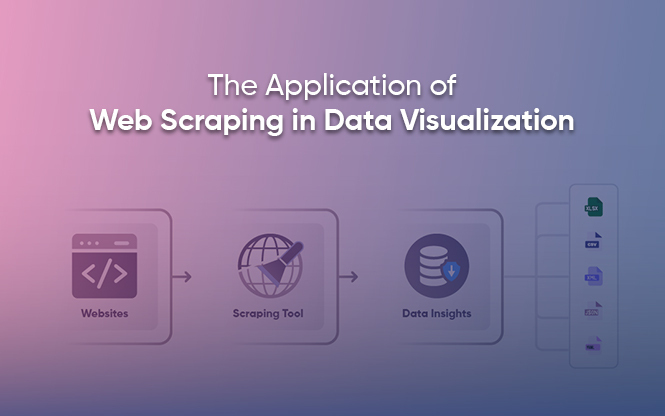
Web scraping matters for big data because most of the data that data-driven companies need sits in web pages that have no API. Scraping collects that data into structured files, which is what lets teams analyze it. This post explains what big data is, where the data comes from and why many companies hand extraction to a service like Grepsr.
Big data: a term used to describe enormous volumes of data generated by the interaction of businesses, government agencies and individuals across private and public networks such as the internet.
Big Data has become an internet buzz lately. Not a day goes by without a mention of Big Data in many articles published by media or tech companies around the world.

But what exactly is Big Data? Why is Big Data a valuable asset for many businesses? And, how important is web crawling in the field of Big Data? This post will deal with these topics.
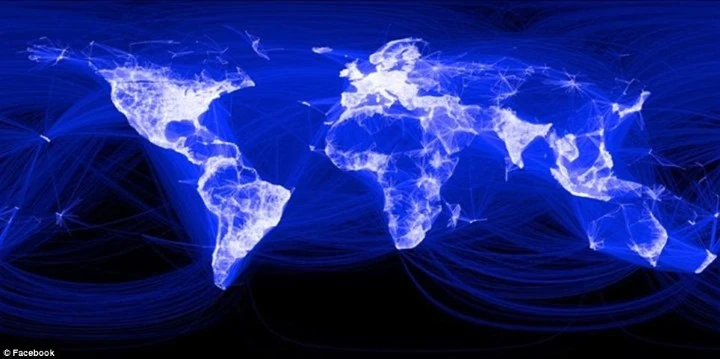
Big Data is a term used to describe enormous volumes of data generated by interaction of businesses, government agencies and individuals across private and public networks such as the Internet. It includes data from many sources such as surveys, web pages, social networks, search engines and mobile devices. Some of world’s most thriving companies owe their success, in part, to their ability to scrutinize this massive amount of information and use it to their advantage.
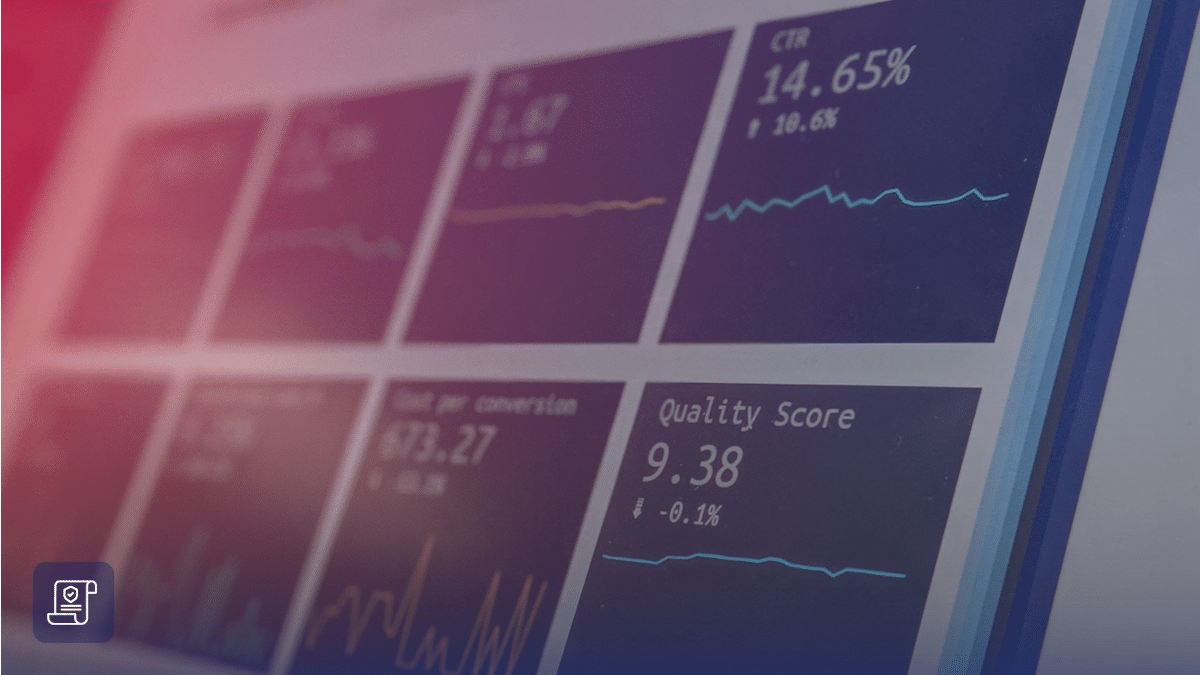
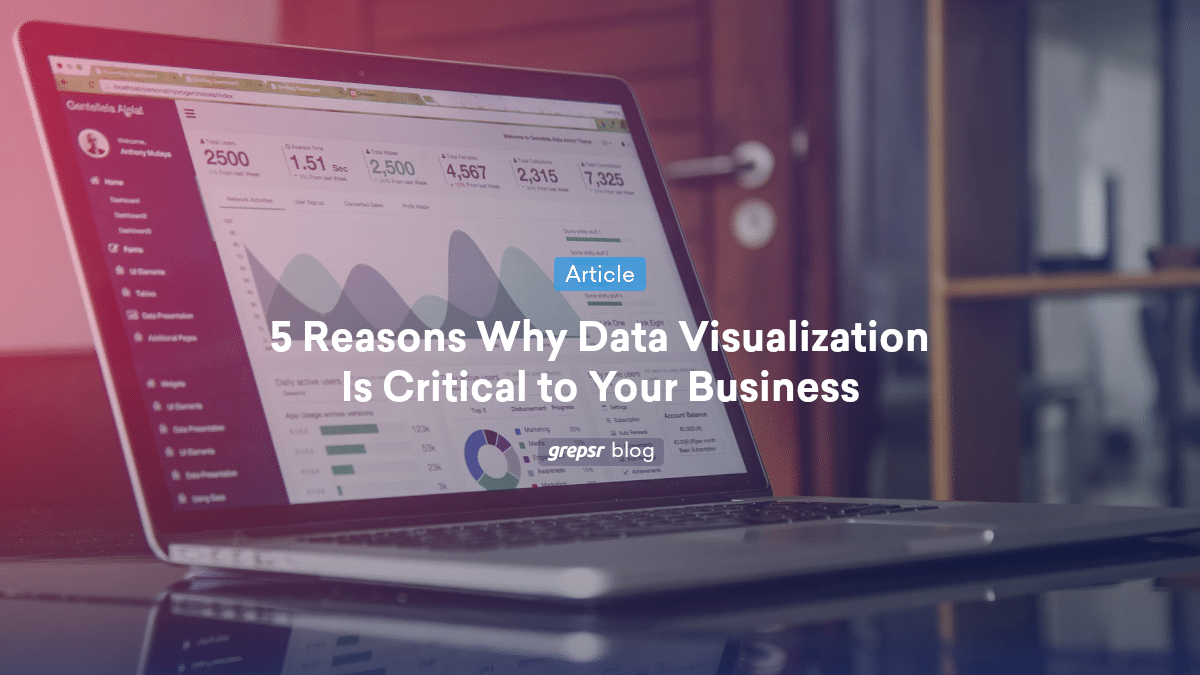
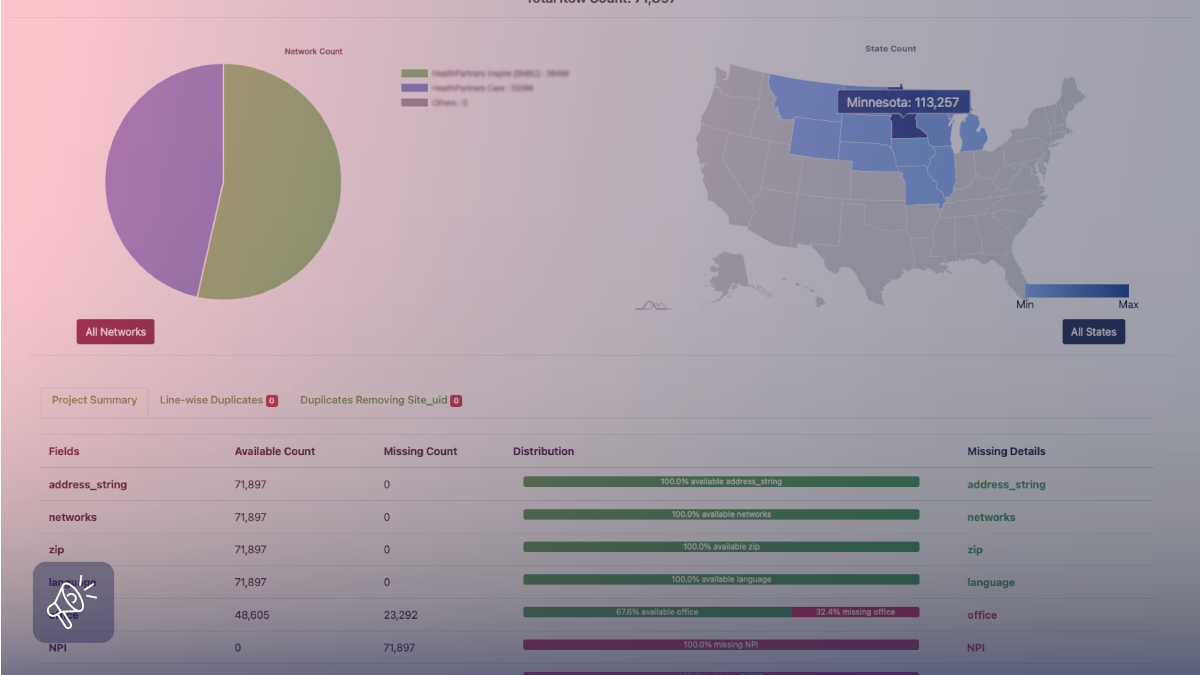
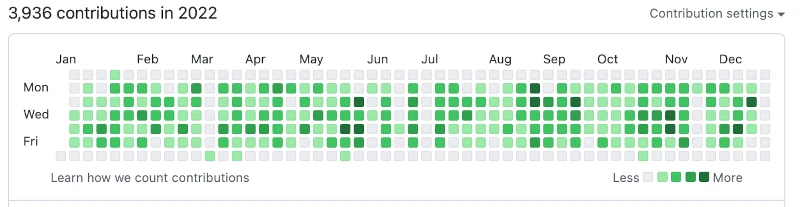
For example, GitHub, an online code hosting and collaboration platform for developers, has a feature that visually presents data to you and lets you know when your developers are more productive as shown in the picture below.
Building a data-driven business requires lots of time, effort and money. Even to start a small data-driven startup product is not easy. One of the reasons why it is difficult to build a data-driven product is primarily due to significant amount of data that you have to collect before you can launch your product. Most of the data you collect come from the following sources:
Where does the data for a data-driven product come from?
| Source | Example |
|---|---|
| Direct user input | Surveys and search forms |
| Third-party APIs | Twitter, Facebook and similar services |
| Server logs | Logs from web servers such as Apache and Nginx |
| Web crawling or scraping | Data on web pages that have no API access |
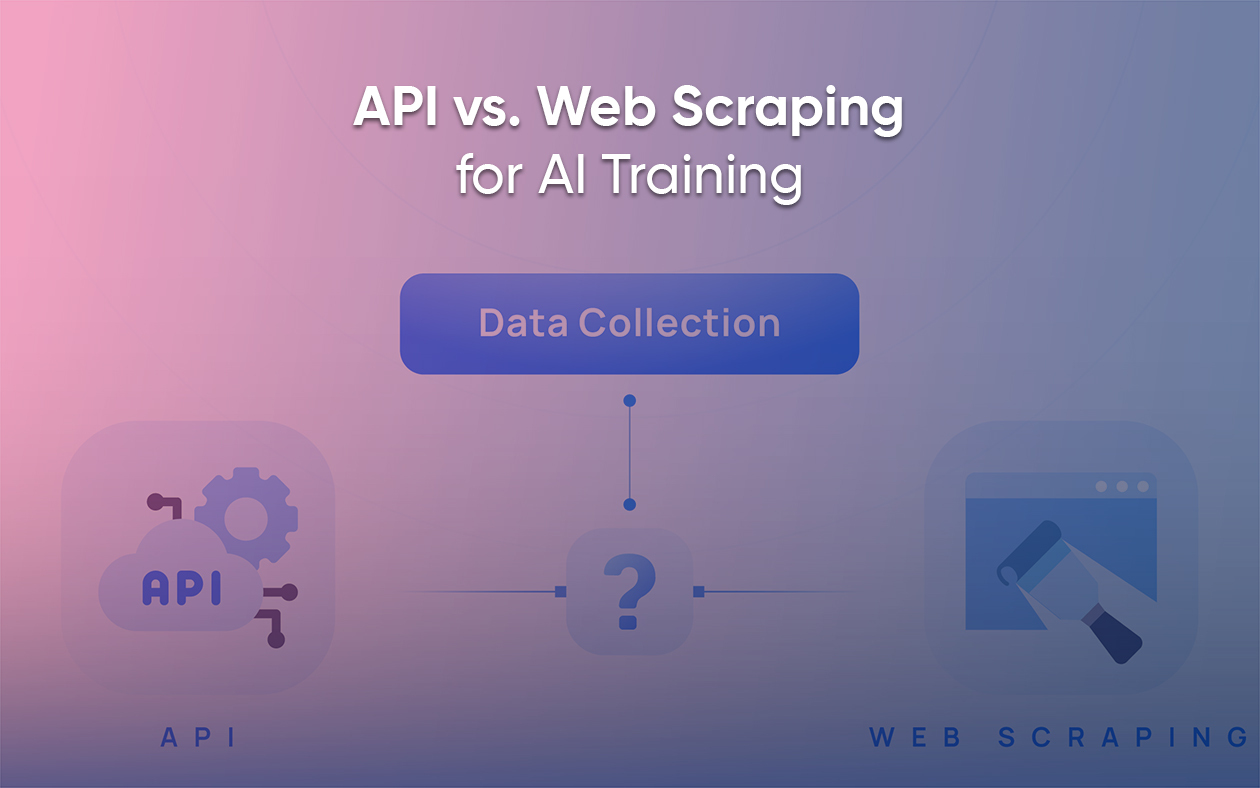
And, of all the above sources, most data-driven companies crawl web pages to collect data because most of the data that these companies need are in the form of web page with no API access. However, crawling web pages is also not an easy task.
Web is a sea of information with billions of web pages created every single day. Most of the data these web pages contain are unstructured and messy. Collecting and organizing these messy data is not easy. While creating any data-driven product, you will spend a large share of your time collecting, cleaning and filtering data. And, when it comes to crawling web pages, you have to have good programming and database skills.The data in web pages is rarely handed to you in a convenient form. Sometimes, scraping web pages gets even worse when you have to scrape data from difficult source such as a PDF file. But, ultimately you will even have to scrape data from these sources to benefit your business.
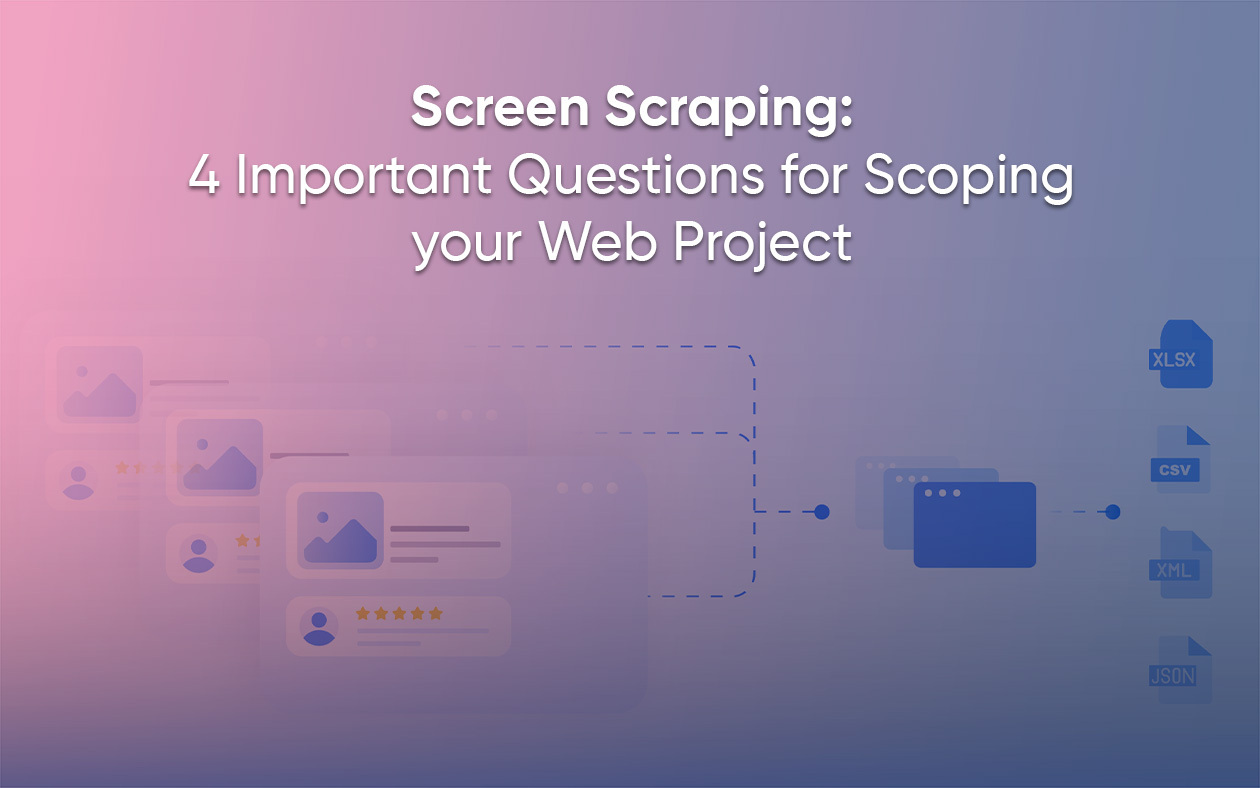
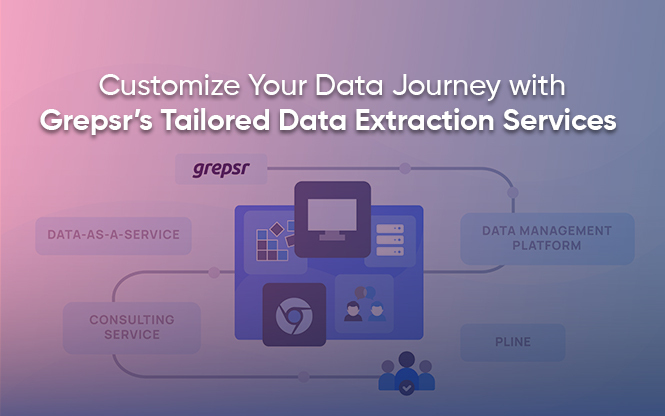
Many companies these days hire skilled programmers and data scientists for data extraction and analytics purposes which can be costly. With online data crawling services like Grepsr, a provider can take over data acquisition. Instead of crawling pages and hiring skilled data scientists yourself, you hand your extraction tasks over and get back organized, structured data in XLSX, CSV or XML file formats that you can easily use for your business the way you want.
Related reading: What Is Web Scraping? A Plain-English Guide to How It Works, Uses and Legality; What Enterprises Really Use Web Scraping For: 25 High Impact Use Cases Across Retail, Finance, Travel, and More; 5 Ways Businesses Leverage Website Scraping Services for Competitive Advantage; Top Web Scraping Use Cases for 2026; Web Scraping for AI and Big Data: Use Cases, Data Types and Pipeline Steps; Data Mining: How Can Businesses Capitalize on Big Data?; Seven Key Areas Where Big Data has Brought Big Transformations.
Why Is Web Scraping Important for Big Data?
In coming years, we will be hearing lots of news about Big Data and new data-driven startup companies. Companies with better understanding of Big Data will be able to provide better experience to their customers, find potential customers and generate more profits.
Web scraping is an important part of building many data-driven products. It requires lots of time, effort and money. By choosing to use an online data crawling service like Grepsr, you may save time and money. See Grepsr’s pricing page and web scraping solution.
Frequently Asked Questions
What is web scraping in the context of big data?
Web scraping is the automated collection of data from web pages into a structured format. For big data work it matters because much of the data companies need is published as web pages with no API. Scraping turns those pages into files such as CSV, XLSX or XML that analysts and applications can use.
Why do data-driven companies scrape instead of using APIs?
The post explains that most of the data these companies need exists as web pages without API access, so APIs alone cannot supply it. APIs, server logs and user input remain useful sources, but crawling pages is how teams reach the rest of the data they need to build a data-driven product.
What makes collecting web data difficult?
Web pages hold data that is often unstructured and messy, so it has to be collected, cleaned and filtered before use. Crawling also takes programming and database skills, and some sources, such as PDF files, are harder still. These effort and skill costs are why many teams use a data extraction service.
What formats can a scraping service deliver data in?
The post describes handing extraction tasks to Grepsr and getting back organized, structured data in XLSX, CSV or XML files. Those formats open in common spreadsheet and analytics tools, so teams can use the data for their own purposes without handling the crawling work themselves.

Last reviewed: November 27, 2026.