Last reviewed: November 3, 2026
API or Web Scraping for AI Training Data: The Short Answer
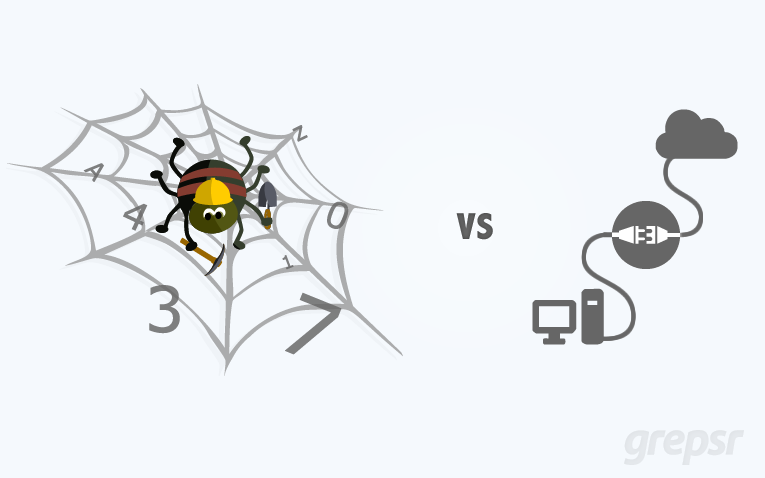
Use an API when the platform offers one that exposes the fields you need at a volume and price that works; use web scraping when no API exists or it omits data you need, such as public pages, history or full text. Most AI training projects combine both, with a managed scraping API or service covering the sources that have no usable API. The comparison below shows how they differ on access, scale, cost, maintenance and compliance.
An API is an official interface a platform provides for requesting its data in a structured format such as JSON. Web scraping is the automated extraction of data from web pages themselves, whether or not the site offers an API.
What Is an API and How Does It Provide Data?
An Application Programming Interface (API) is a set of rules and protocols that allow different systems or applications to connect and communicate with each other efficiently.
APIs are the middleman that allow software to request and exchange data without needing direct access to the underlying database or code. Many platforms provide APIs to give developers direct access to structured data without manually extracting it from web pages.
Now, how do they work?
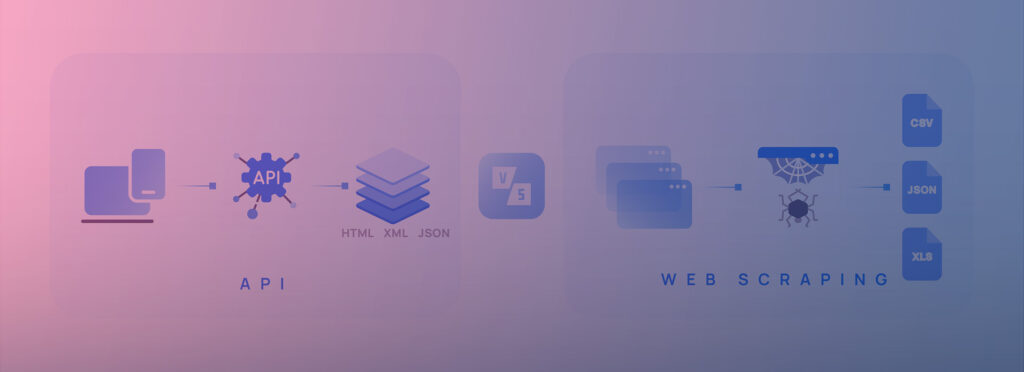
Think of an API as a bridge that enables seamless communication between two software applications. When a developer or user makes a request to a specific API endpoint, they send structured instructions specifying the action they want to perform and any necessary parameters.
Once the API receives the request, it processes the instructions, retrieves the requested data, and sends it back in a structured format—typically JSON or XML—so it can be easily integrated into the developer’s application. One thing to remember is that while APIs provide clean, structured, and ready-to-use data, they come with limitations. You can’t modify the data beyond what the API allows, and access may be restricted by rate limits, paywalls, or predefined data availability.
What AI Training Data Can You Get From APIs?
AI models rely on vast amounts of diverse, high-quality data, but collecting it efficiently is a challenge. APIs provide a structured way to extract data from social media platforms, e-commerce sites, financial databases, and other sources, making them a valuable tool for AI training.
Many platforms offer official APIs in JSON or XML formats, enabling access to key datasets:
- Reddit → Posts, comments, and user interactions for NLP models.
- GitHub → Code repositories and developer activity for AI-driven code suggestions.
- LinkedIn → Job postings for labor market analysis.
- OpenWeatherMap → Real-time meteorological data for predictive analytics.
These datasets are crucial for training AI models, large language models (LLMs), and machine learning algorithms. For example:
- E-commerce APIs help extract product details, prices, and customer reviews to train AI-powered chatbots and sentiment analysis models.
- Financial APIs provide real-time market data for AI-driven stock predictions and automated trading systems.
- Social media APIs enable NLP models to analyze public opinion, detect trends, and even generate AI-powered content.
Thus, APIs are excellent for obtaining structured data directly from the website that is ready for integration and use.
What Is Web Scraping and How Does It Collect Data?
Web scraping is a method of automatically extracting data (text, images, videos, etc) from websites. Instead of manually copy-pasting information, developers write code to collect and structure data efficiently. You can literally get what you see on the web page by web scraping.
This is typically done using Python along with tools like Scrapy (a web scraping framework), BeautifulSoup (an HTML parser), and Puppeteer (a headless browser for scraping dynamic content).
The web scraping process involves:
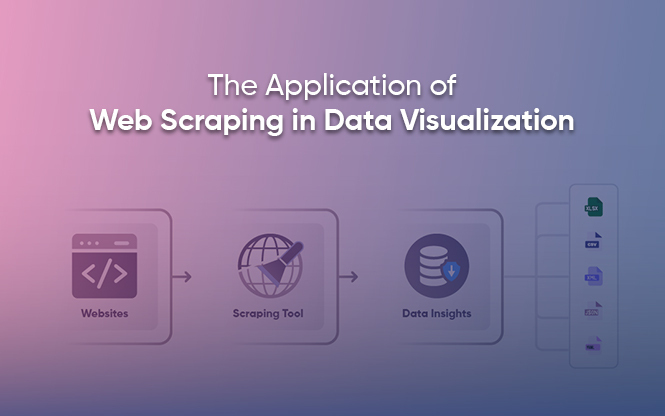
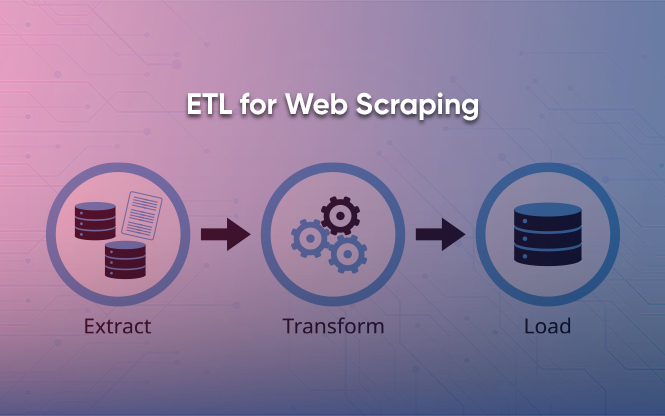
- Sending an HTTP Request → The scraper sends requests to a web server.
- Downloading the HTML Content → The server responds with the page’s HTML, which contains the raw data.
- Parsing the Data → Using libraries like BeautifulSoup or lxml, the scraper extracts specific information from the HTML.
- Structuring the Extracted Data → Cleaning, formatting, and converting the data into structured formats like CSV, JSON, or XLS.
- Storing the Data → Saving the extracted datasets in databases for further analysis.
Web scraping services have made it easier for businesses to access real-time data from the web without needing coding expertise.
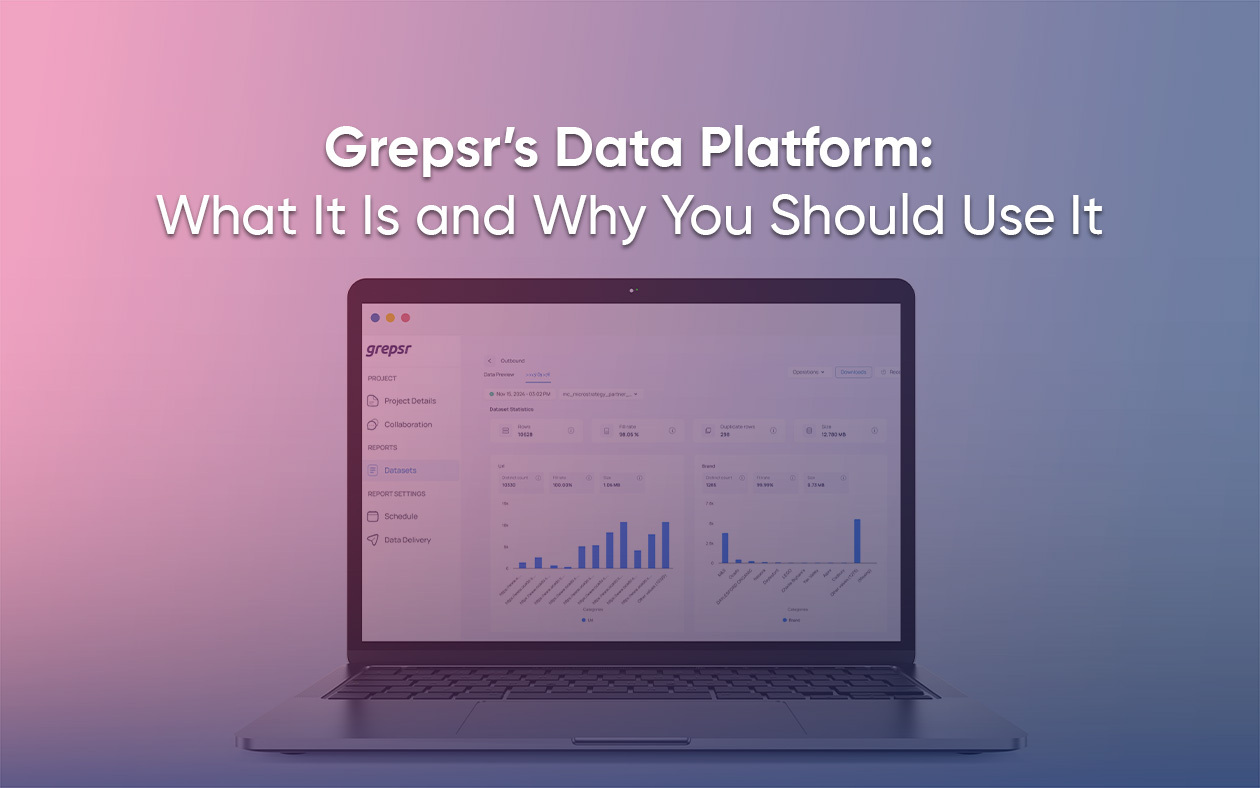
Specifically, Grepsr provides a fully managed data extraction service, delivering customized datasets in the exact volume and format clients require—eliminating the complexities of web scraping and data processing.
Learn more about how web-scraped data is essential for AI training
Web Data is the Ultimate AI Training Asset—Here’s Why
API vs Web Scraping: How Do They Compare?
| Aspect | APIs | Web Scraping |
|---|---|---|
| Data Access | Provides structured data as defined by the API provider, often with limited data access. | Allows extraction of any publicly available data on a website, offering more flexibility. |
| Integration | Easier to integrate with well-documented endpoints and structured formats like JSON or XML. | Requires parsing HTML, handling dynamic content, and adapting to website structure changes. |
| Rate Limits & Restrictions | Often has rate limits, access restrictions, or paid tiers that limit the amount of data retrievable. | Limited by site capacity and anti-bot measures; excessive scraping can trigger blocks or IP bans. |
| Data Volume & Scalability | Limited flexibility and control, along with API rate restrictions and limited availability of data. | Can collect large-scale data within the limits of site capacity and anti-bot measures; managed services handle blocking and maintenance for you. |
| Cost Implications | Costs are tiered and rise significantly as your data requirements and volume increase. | Cost depends on scale, frequency and maintenance; managed services bundle upkeep into the price. |
| Legal & Ethical Considerations | Governed by the API’s terms of use, which may restrict how the data can be used. | Might raise legal concerns if the scraper violates the website’s terms of service and robots.txt. |
Learn more in detail
Web Scraping vs API: Web Data Extraction
When to Use an API, a Scraper, or Both?
- The official API covers the fields you need: use the API. It is structured, documented and stable.
- There is no API, or it omits public data: use web scraping.
- You need history or trend data: scrape on a schedule to build your own history, since many APIs only provide current values.
- You need full-page text or content the API does not expose: use web scraping.
- You need structured access to some sources and broad coverage of others: combine both in one pipeline.
For more on this decision, see our guides to web scraping vs APIs for AI projects, API vs web scraping strategy and managed vs API-based web scraping.
What Should You Check on Legal and Licensing for AI Training Data?
Both methods carry obligations. API data is governed by the platform’s terms of use, which can restrict how data may be used, including for model training. Scraped data raises questions about the website’s terms of service, copyright and privacy law, which vary by jurisdiction. Review the terms and licensing for every source before you use it for training, and read our guide to whether web scraping is legal.
Which Is Better for AI Training Data?
The right choice depends on your requirements, but if you need real-time access, large-scale data collection, and a cost-effective solution, web scraping is often the better option.
Unlike APIs, web scraping can:
✔ Navigate multiple pages and extract data from different sources.
✔️ Handle various formats and capture dynamic content.
✔ Track historical data—essential for AI models that require trend analysis.
On the other hand, APIs come with major limitations:
- Rate limits restrict how much data you can access per minute or hour.
- Many APIs charge high fees for access to valuable data.
- Limited data access—API providers control what data they expose, often leaving out critical information.
- No historical data—most APIs only provide real-time updates, making long-term trend analysis difficult.
For example, a retailer can extract daily product prices from competitors and build a historical price database by web scraping. Whereas the website’s API only provides current prices.
But what if you could combine the structure of APIs with the flexibility of web scraping?
That’s where Web Scraping APIs come in—the best of both worlds.
To go deeper on building datasets, see how to build AI training datasets with web scraping.
What Is a Web Scraping API and When Should You Use One?
Web Scraping APIs combine the flexibility of web scraping with the structured ease of APIs, offering a seamless way to extract data without dealing with the complexities of building a scraper from scratch.
How It Works:
Instead of manually scraping websites, businesses use Web Scraping APIs that automate the process.
These APIs handle everything—sending requests, parsing HTML, handling JavaScript rendering, avoiding bot detection, and structuring the extracted data.
Then, the output is delivered in an API format (e.g., JSON or XML), making it as easy to integrate as a standard API.
Why Web Scraping APIs Are the Best of Both Worlds:
✅ No coding required → Users don’t need to write scrapers or manage proxies.
☑️ Access to full website data → Unlike official APIs, scraping APIs extract everything visible on a webpage.
✅ Custom data delivery → Businesses can define the exact data points they need, ensuring relevant and structured output.
☑️ Scalability → They can handle large volumes of requests without worrying about rate limits or API restrictions.
Grepsr’s Web Scraping APIs take the hassle out of data extraction, delivering structured, high-quality data at scale—without the need to manage scrapers, proxies, or website challenges. Whether you need real-time updates or large-scale data feeds, our fully managed solution ensures seamless, efficient, and customizable data delivery.
Get the data you need—structured, formatted, and ready for seamless integration into your systems. Talk to our team today!
If you are evaluating options, read how to evaluate a web scraping API.
Frequently Asked Questions
Is an API better than web scraping for AI training data?
APIs are better when they provide the exact data you need in a structured and reliable format. Web scraping is better when the API is unavailable, limited, or missing important public data.
Is web scraping legal for AI training?
It depends on the website, jurisdiction, data type, and scraping method. Teams should review website terms, robots.txt, privacy requirements, and applicable laws before collecting data.
What is a web scraping API?
A web scraping API is a service that collects web data and delivers it through an API format such as JSON. It can handle page rendering, parsing, retries, and delivery, so teams do not need to build scrapers from scratch.
Which is cheaper: API or web scraping?
APIs can be cheaper for small structured datasets but expensive at scale if pricing is usage-based. Web scraping can be more cost-effective for large public datasets, but may require more maintenance unless handled through a managed provider.
Which method is best for LLM training data?
For LLM training, APIs are useful for structured datasets, and web scraping is useful for broad public web coverage. The best approach often combines both with strong data cleaning, deduplication, and compliance checks.
Can I use both APIs and web scraping in one AI data pipeline?
Yes. Many AI projects use APIs for platforms with a good official API and web scraping for sources without one, then clean, deduplicate and combine the data in one pipeline.
Do APIs allow use of data for AI model training?
It depends on each platform’s terms of use. Some restrict how API data may be used, including for training models, so check the terms for every API before you rely on its data.
How do I keep scraped training data clean and deduplicated?
Validate fields as you collect, normalize formats such as dates and units, and run deduplication before the data enters your training set. A managed service can build these steps into delivery.