Last updated: November 18, 2026
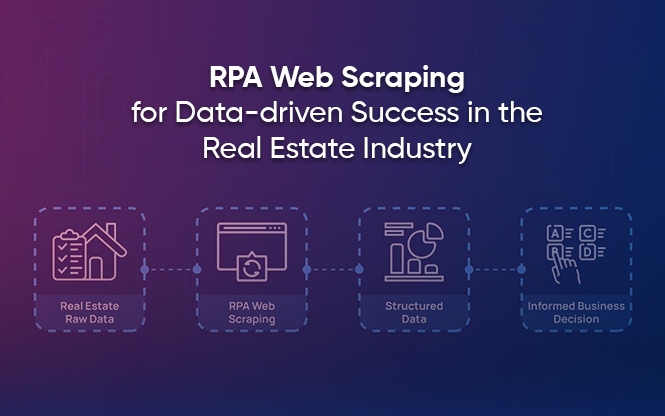
The six main real estate datasets you can collect from public web sources are property listings, pricing data, sales and transaction data, property tax data, rental market data and agent information. Each answers a different question, from what is for sale to what an investment will cost to hold, and they are most useful when combined in one consistently structured feed. This guide shows what each dataset contains, where it typically comes from and what to check before collecting it.
A real estate dataset is a structured collection of property-related records, such as listings, prices, sales, taxes, rents or agent details, gathered from public sources and organized into consistent fields for analysis.
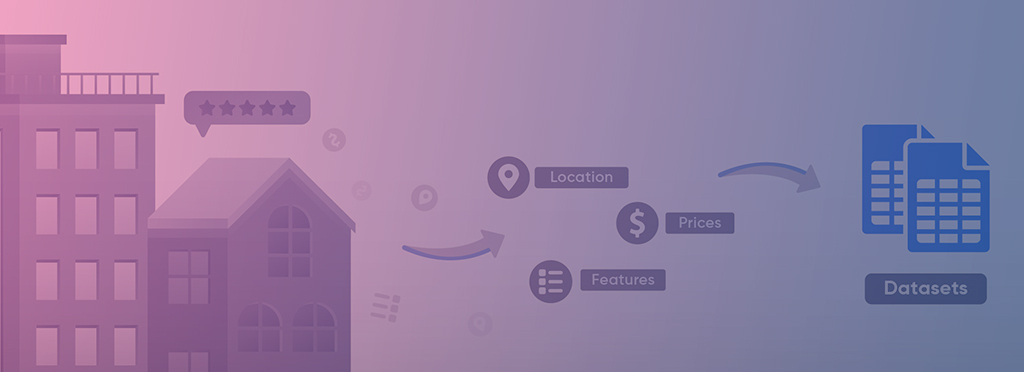
This guide explores essential real estate datasets for informed decision-making and what to check before you collect them. For a wider view, see real estate web scraping.
Which Real Estate Datasets Can You Collect, and What Does Each Contain?
This comparison is qualitative.
| Dataset | Typical fields | Typical public source type | Main use | Main caveat |
|---|---|---|---|---|
| Property listings | Property ID, address, type, year built, square footage, rooms, features | Listing portals | Property identification and comparison | Licensing and freshness |
| Pricing data | Listing price, price per square foot, price history, days on market | Listing portals | Market analysis and price setting | Estimated values are platform-specific; check terms |
| Sales and transaction data | Final sale price, sale date, sales history | Portals, county recorder sites | Comparable analyses and valuation | Coverage varies by county |
| Property tax data | Tax rate, annual tax, assessed value, assessment year, HOA fee | County assessor sites | Cost and affordability estimates | Public records vary by county |
| Rental market data | Rental rates, trends, lease terms | Rental platforms | Rental pricing and investment | Terms of each platform |
| Agent information | Agent and brokerage details, ratings | Listing portals | Prospecting and agent selection | Personal data and outreach rules |
What to Check Before You Collect Real Estate Data
- Source terms: Read each site’s terms of service.
- Licensed vs public data: Check the terms of each source, including any license that covers its listing data.
- Personal data: Agent names, phones and emails are personal data under GDPR Article 4, and the CCPA gives California residents rights over their personal information.
- The Ninth Circuit addressed scraping of publicly available data under the Computer Fraud and Abuse Act in hiQ Labs v. LinkedIn (9th Cir. 2022), and a site’s terms of service are a separate matter (White & Case’s summary of website terms and the CFAA); RFC 9309 states that robots.txt rules are not a form of access authorization. See regulatory compliance for real estate data aggregation and is web scraping legal?.
For large-scale requirements, see the web scraping solution and data as a service.

What Is Property Listing Data?
This includes basic details about the property, such as property ID, address and type, whether it is a single-family home, condo, multi-family unit or apartment.
It also covers the year built, total square footage, and interior features like the number of bedrooms, bathrooms, living areas and kitchen details, as well as exterior details like a garage or swimming pool.
You can collect these data points by web scraping from public listing portals, and you can schedule regular extraction. Sites change and limit automated access, so the collection needs monitoring and should stay within each site’s terms. See real estate listing data extraction.
What Does Real Estate Pricing Data Include?
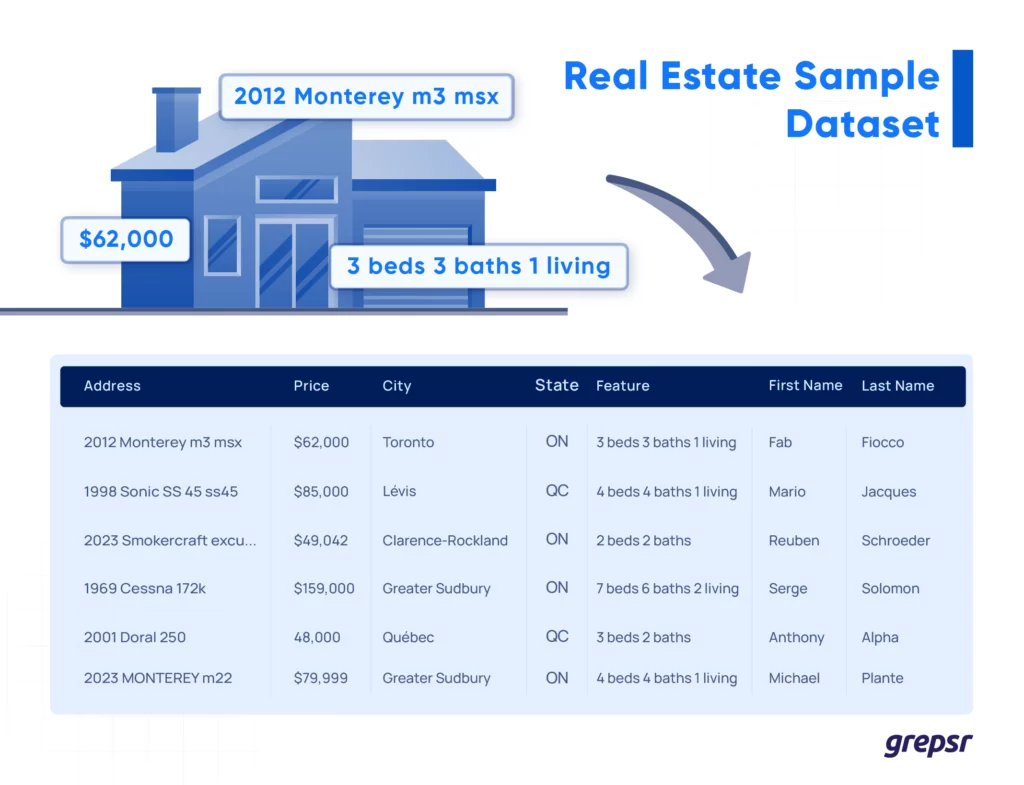
The pricing dataset includes the property’s listing price, which is the initial price set by the seller. It also includes the price per square foot where the listing mentions it, and price history such as earlier listing prices, reductions and increases. You can also assess how long the property has been listed (days on the market).
Some platforms show an estimated market value. Whether you can collect it depends on the platform’s terms, so check them first. See web scraping Zillow.
What Is Sales and Transaction Data Used For?
Sales and transaction data includes the final sale price and date of recently sold homes. This helps professionals prepare comparable market analyses (CMAs), helps sellers set listing prices and helps buyers make informed decisions.
It also includes the sales history, meaning earlier transactions with their price and date. Historical sales are an indicator of appreciation or depreciation over time and of long-term market trends.
What Property Tax Data Can You Collect?
Publicly available property tax data can include the tax rate, annual property tax amount, assessed value, assessment year, historical tax information and HOA fees where applicable. Public records vary by county, so do not assume the same coverage everywhere.
These fields help estimate the ongoing costs of a property and its affordability. Historical tax data shows how taxes have changed over time. Tax jurisdiction information shows which authority, such as a city, county or school district, sets and collects the tax.
Information about delinquencies and liens usually comes from county records rather than listings. It helps check that there are no outstanding debts or legal issues that could affect a transaction.
What Is Rental Market Data and Where Does It Come From?
Rental market data covers rental rates, trends and lease terms from public rental platforms. It is used for rental market analysis.
By extracting point of interest data for a region, you can analyze average rental rates and set competitive prices. Investors can identify areas with high demand and strong income potential. Historical data can help forecast rental demand and spot emerging neighborhoods.
Related reading: real estate data extraction guide
What Agent Data Is Available, and What Are the Privacy Limits?
A buyer agent represents the buyer, and a seller (listing) agent represents the seller. Real estate platforms often show details about the agents involved in a listing.
Agent details such as names, phone numbers, email addresses, office addresses and brokerage information are personal data. Reviews and ratings also relate to named people. Information about identifiable people is personal data under GDPR Article 4, and the CCPA gives California residents rights over their personal information.
Commission rules have been changing, so check the National Association of Realtors’ own pages for the current position. See the Zillow scraper and the housing and real estate page.
Which Real Estate Dataset Should You Start With?
Start with the dataset that matches your goal. To price a listing, start with listing and pricing data plus recent sales. To evaluate an investment, add tax and rental data. To prospect agents, use agent data within privacy rules.
| Dataset | Best for |
|---|---|
| Property listings | Identification and comparison |
| Pricing data | Market analysis and price setting |
| Sales and transaction data | Trends and valuation |
| Property tax data | Cost and financial planning |
| Rental market data | Investment and rental pricing |
| Agent information | Choosing or prospecting real estate professionals |
How Often Should Real Estate Data Be Refreshed?
It depends on the market and use. Listings and prices change often, while tax and ownership records change less often. Match the refresh rate to how quickly the data changes. See real-time property listing data extraction.
Frequently Asked Questions
What are the main types of real estate data?
Property listings, pricing data, sales and transaction data, property tax data, rental market data and agent information.
What is the difference between listing data and transaction data?
Listing data describes properties currently or recently on the market. Transaction data records completed sales with their prices and dates.
Can you get property tax data from the web?
Often, yes, from public records, but coverage varies by county. Do not assume the same fields are available everywhere.
Is it legal to scrape real estate data?
It depends on the source’s terms, whether the data is licensed, privacy rules and your use. The Ninth Circuit addressed scraping of publicly available data under the Computer Fraud and Abuse Act in hiQ Labs v. LinkedIn (9th Cir. 2022), and a site’s terms of service are a separate matter (White & Case’s summary of website terms and the CFAA); RFC 9309 states that robots.txt rules are not a form of access authorization. See regulatory compliance for real estate data aggregation.
How often should property data be updated?
It depends on the dataset and your use. Listings change frequently, while tax records change less often.