Last updated: November 13, 2026
Web scraping is an automated way to turn public website content into structured data you can analyse, so it works as a data solution whenever the information you need lives on web pages rather than in an API or database. A crawler finds the pages, a scraper extracts the fields, and the output lands in CSV, JSON or a database. Small, one-off jobs suit a DIY script; recurring, large-scale or multi-site jobs usually suit a managed service.
A web scraping data solution is a system, built in-house or provided as a managed service, that finds web pages, extracts specific fields and delivers them as clean, structured datasets on a schedule.

Why Use Web Scraping as a Data Source?
Data has become a currency, and much of the data businesses want, such as prices, listings, reviews, job postings and news, sits on public web pages rather than in an API or database. Web scraping turns that content into structured data you can analyse. Our complete guide to web scraping covers the fundamentals; this post focuses on how scraping works as a data solution and when to build or buy it.
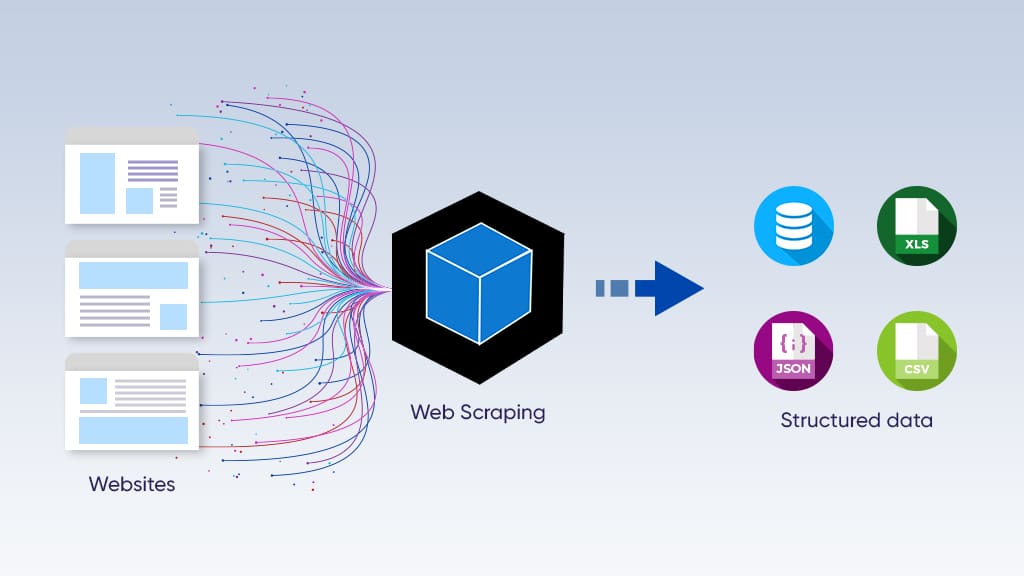
You have two options: copy and paste each data point into a spreadsheet, or automate the extraction with web scraping. Automation gets you the data faster, refreshes it on a schedule, and lets you act on it before competitors do.

What Can You Use Scraped Web Data For?
- Price and competitor monitoring: track product prices, availability and promotions across retailers.
- Lead generation: build contact and company lists from public directories.
- Market research: collect reviews, listings and trends to understand a market.
- Real estate and travel: gather listings, rates and availability from property and booking sites.
- News and media monitoring: follow coverage of brands and topics.
To see how scraping applies to your sector, browse our industries pages.
How Does Web Scraping Work? Crawler vs Scraper
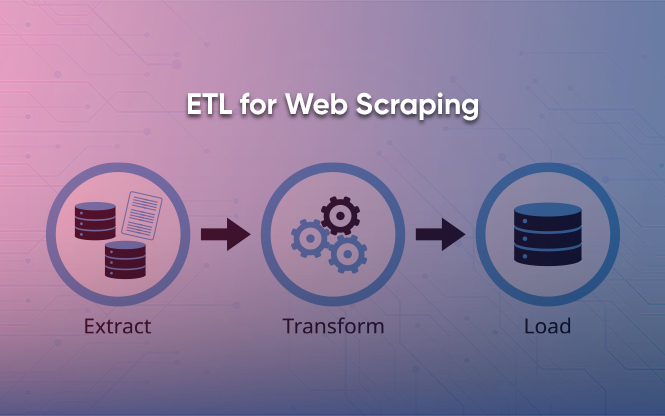
Web scraping is the process of automating data extraction from a website, then organizing the information into a structured dataset.
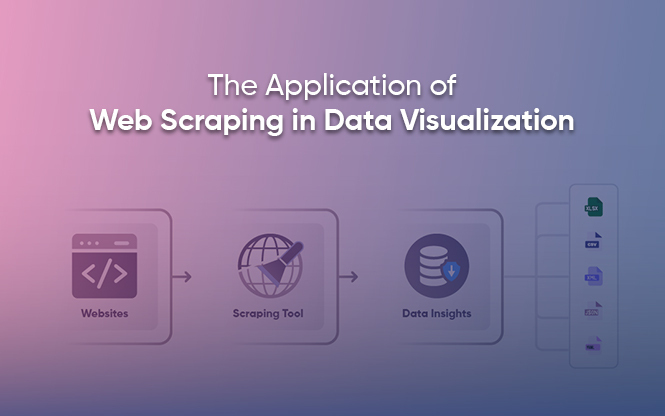
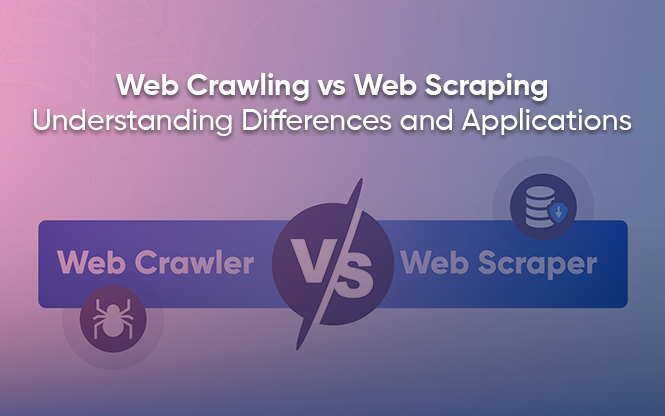
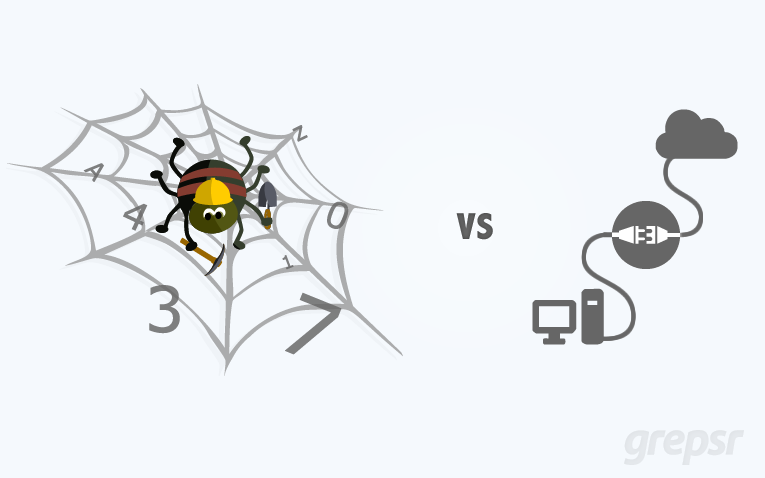
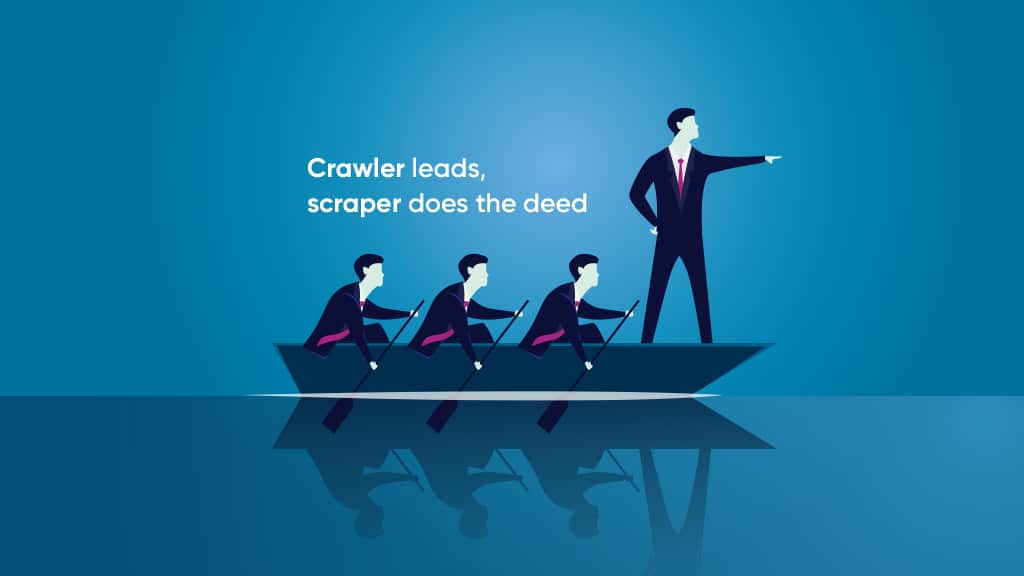
When you visit a web page, your browser sends an HTTP request to the server. In automated extraction, a program called a crawler sends the request. It explores the web by following links and discovering specific pages, saves the links it finds, and adds them to a list of pages to visit next. It repeats this until a predefined set of criteria is met.
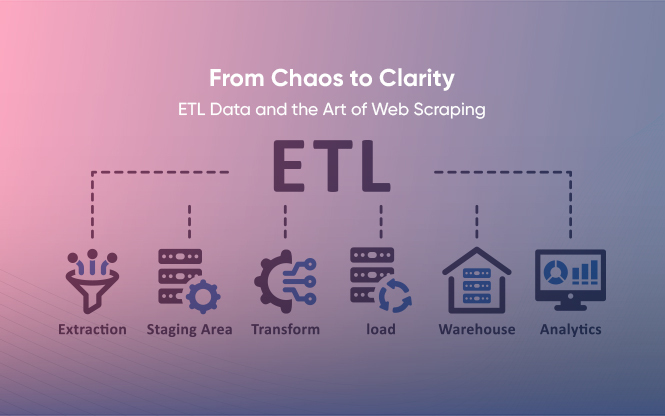
The scraper then extracts particular fields from the pages the crawler visited. It parses the HTML and writes the data in the format you need, such as CSV, JSON or an Excel sheet.
Writing the crawler is the easy part. Most websites change their structure often, so maintaining crawlers and scrapers takes up most of the cost of a data extraction project. A scraper also has to match its source: you may need a different scraper for each website because their page structures differ.
Should You Build a Web Scraper or Buy a Managed Solution?
The right choice depends on how much data you need, how often you need it and how much upkeep you can take on.
| DIY script | Browser extension or no-code tool | Scraping API | Managed service | |
|---|---|---|---|---|
| Setup effort | You write and test the code | Low; point and click | Moderate; you integrate the API | Low; the provider scopes and builds it |
| Scale | Limited by your infrastructure | Small to medium jobs | Grows with your usage | Built for large and multi-site jobs |
| Maintenance | You fix scrapers when sites change | You re-run or rebuild when sites change | You handle parsing and changes | Handled by the provider |
| Who handles blocks | You | You | Often the API provider, to a degree | The provider |
| Output quality checks | You build them | Limited | You build them | Provider quality checks |
| Cost model | Developer time and infrastructure | Often subscription or free tiers | Usage-based | Project or subscription based |
For help weighing the options, see our guide to outsourcing web scraping vs hiring a developer and how to choose the right web scraping service for your business.
What Does a DIY Web Scraping Setup Involve?
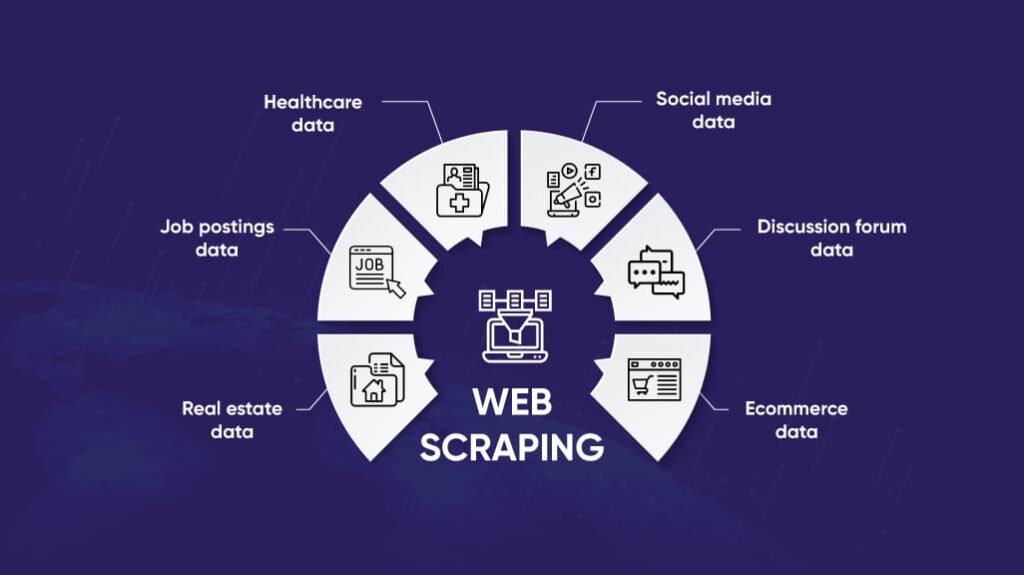
When your data needs are small, you can code a scraper yourself. Python libraries such as BeautifulSoup and Scrapy handle fetching and parsing, and Pandas or Polars help process what you collect. Our how-to guides on web scraping with Python and web scraping with PHP walk through small-scale builds.
Keep in mind that sending too many requests can hurt the performance of the source website, and a large job can use up your own storage and memory. Not everyone wants to build, and a no-code tool or a managed service avoids this work.
What Goes Wrong When You Scrape at Scale?
Say you need to monitor thousands of product prices on Amazon. Prices change often, so you have to refresh constantly. Add eBay, Target and Walmart and you have several sources to keep working, each with its own layout.
Websites also change their structures frequently and use anti-bot measures. Besides a robots.txt file, which tells scrapers which content they can access, they may use:
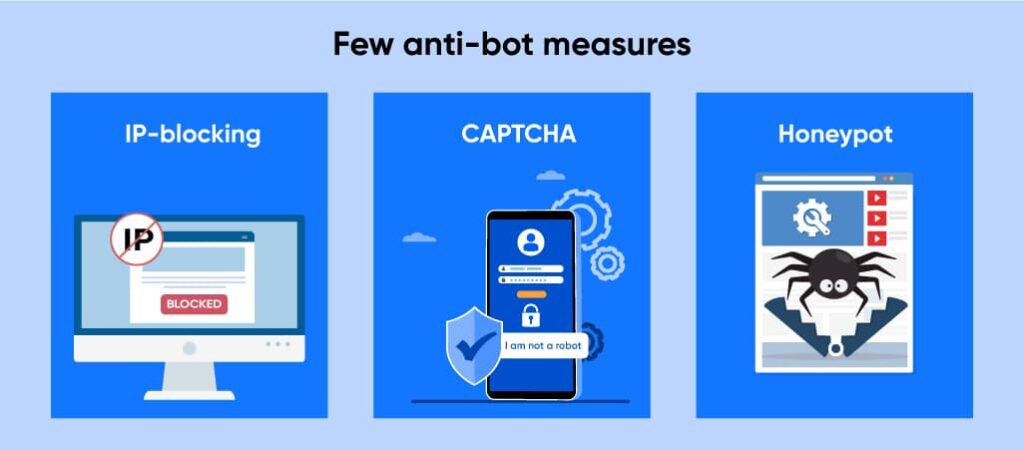
- IP blocking: the host monitors visitors and blocks addresses that make too many requests.
- CAPTCHA: a test designed to tell humans and computers apart.
- Honeypots: hidden links that a human would not see or click but a bot might follow.
- Rate limits and behaviour checks: limits on request speed and checks on how a visitor behaves.
Our guide to the biggest web scraping challenges and how to solve them covers these in more detail.
Is Web Scraping Legal?
It depends on the source’s terms, the type of data and the laws that apply where you operate. Collecting publicly available data is common practice, but personal data, copyrighted content and access controls raise additional issues, so confirm your use case with legal counsel. Read our full guide on whether web scraping is legal.
What Is a Managed Web Scraping Solution?
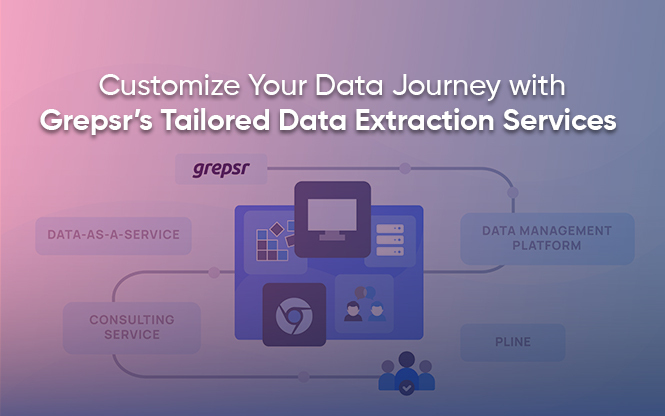
A managed solution is the remedy for the problems of large-scale extraction. Grepsr provides a no-code, tailor-made web data extraction service: the team builds, runs and maintains the scrapers so you do not have to deal with the details of the process.
Grepsr’s data-as-a-service offering and web scraping solution are built for enterprise needs. Key capabilities include:
- Web scraping automation: scrapers are updated and monitored as source sites change.
- Multiple delivery options: data can be delivered as CSV or JSON files, through an API or webhooks, or to cloud storage such as Amazon S3.
- Data quality at scale: quality checks that combine people, processes and technology.
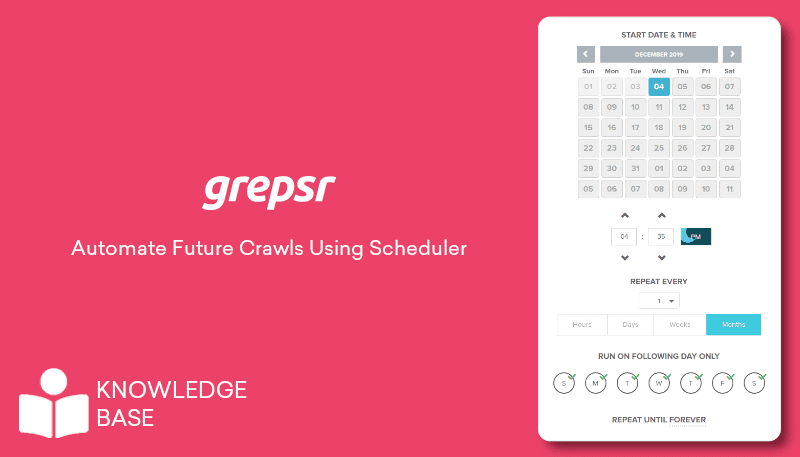
- Scheduling and integration: custom schedules and routine scrapes that run automatically, with data flowing into your systems through the data management platform.
- Responsible scraping: request throttling and monitoring to avoid harming the source websites.
How Do You Get Started?
- Define the fields you need. List the websites and the exact data points, such as name, price or date.
- Check the source terms. Review each site’s terms of service and robots.txt, and avoid data that is not publicly available.
- Choose build or buy. Use the comparison above to decide between a script, a tool, an API or a managed service.
- Set the schedule and delivery. Decide how often you need fresh data and where it should land.
Frequently Asked Questions
What is web scraping used for?
Web scraping is used to collect public web data for price monitoring, lead generation, market research, real estate and travel data, and news monitoring.
What is the difference between a web crawler and a web scraper?
A crawler explores the web by following links and finding the pages to visit. A scraper extracts specific fields from those pages and saves them as structured data.
Is web scraping legal?
It depends on the website’s terms, the type of data and the laws that apply where you operate. Public data is commonly collected, but personal data, copyrighted content and access controls need care. Confirm your use case with legal counsel.
Should I build my own web scraper or use a managed service?
Build your own for small, one-off jobs when you have the skills. A managed service usually fits recurring, large-scale or multi-site jobs, because the provider handles maintenance, blocks and quality checks.
What formats and delivery options are available?
Scraped data can be delivered as CSV or JSON files, through an API or webhooks, or to cloud storage such as Amazon S3. Grepsr agrees the format and schedule with you when it scopes the project.
Which Web Scraping Solution Is Right for You?
If you are new to web scraping, you now have what you need to get started. For small jobs, a script or a no-code tool may be enough. For recurring, large-scale or multi-site data, a managed service saves the maintenance work. If you are a seasoned professional, contact us for a no-strings-attached data consultation.