Last updated: November 18, 2026
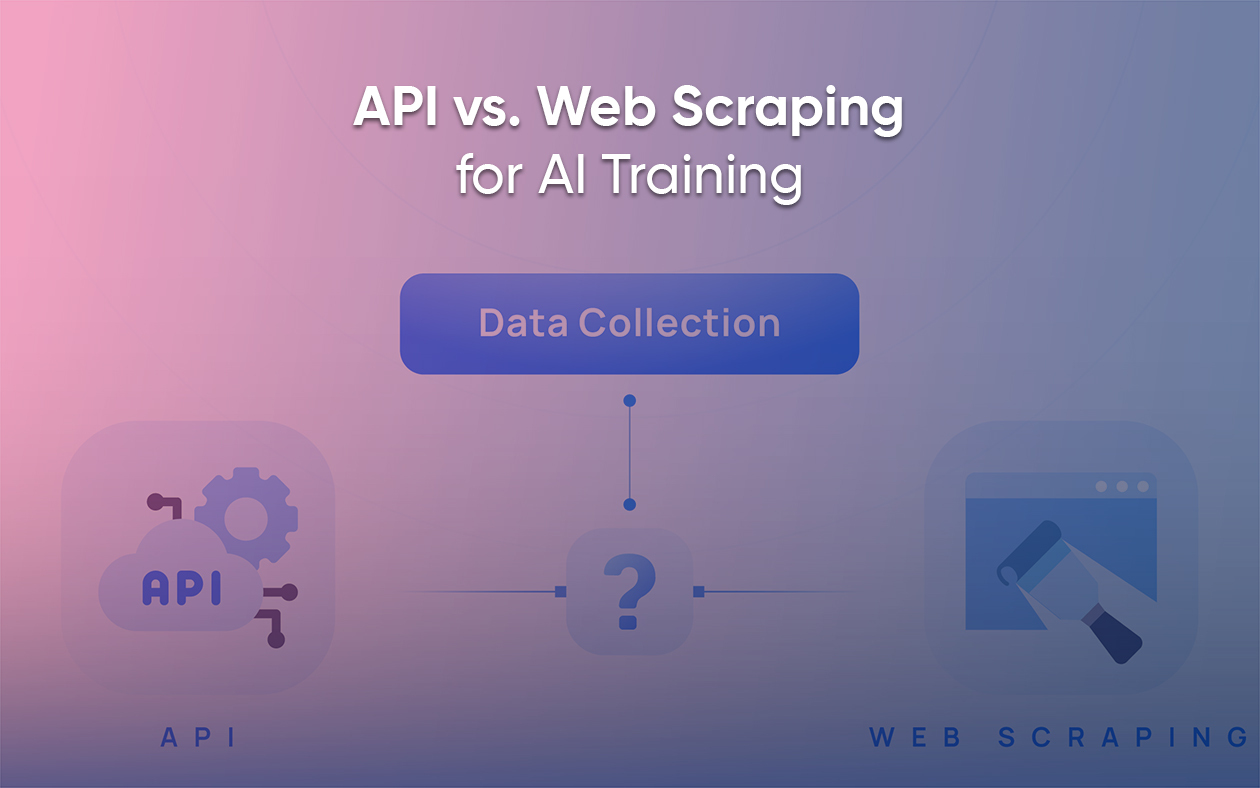
Use an API when the site offers one that returns the fields you need within its rate limits and terms; use web scraping when there is no API, or when the API leaves out data that is visible on the page. Many teams combine both: an API for what it covers and scraping for the gaps. This post covers the basics; for the full decision framework see our API vs web scraping strategy guide.
An API is a documented interface that a website or service provides for requesting its data in a structured format; web scraping collects the same information from the pages a person sees and turns it into structured data.
| Factor | API | Web scraping |
|---|---|---|
| Data coverage | Fields the provider chooses to expose | Fields visible on the page |
| Permission and terms | Usually requires a key and agreeing to API terms | Subject to the site’s terms and rules |
| Stability of format | Versioned, documented responses | Changes when the page layout changes |
| Rate limits | Published limits, often per key | Set by the site’s bot protection; not published |
| Setup effort | Read the docs and authenticate | Build and test extraction logic |
| Maintenance | Update when the API version changes | Update when the layout changes |
| When it fits | The API covers your fields and terms allow your use | No API, or the API leaves out data shown on the page |
Do Websites Always Offer an API for the Data You Need?
Not always. Many sites have no public API, and where one exists it may cover only some of the data shown on the website. Even when the API covers everything you need, you have to stay within its rate limits and terms. Web scraping can reach what the page shows, which is why teams turn to it when an API leaves gaps.
Is API Data as Fresh as What the Website Shows?
It depends on the provider. Some APIs update in step with the site, while others lag behind it or return cached data. When you scrape a page you see what a visitor sees, which makes it easy to compare the collected data with the source. Test both on your fields before deciding.
How Do Rate Limits Differ Between APIs and Web Scraping?
Most APIs publish rate limits, typically on the time between queries, the number of concurrent queries and the number of records per query. Web scraping has no published limit, but sites may throttle, challenge or block traffic that looks automated, for example with CAPTCHAs. Pace your requests and read the site’s terms. See our guide to enterprise anti-bot solutions.
Which Is Easier to Work With: API Responses or Web Pages?
A well-documented API returns structured data directly. A poorly designed one can take many queries to reach the data you need. Web pages vary: some embed structured data such as JSON or Microdata, and some load data from background endpoints that return clean JSON or XML. Others need parsing with XPath or CSS selectors. Neither route is always easier, so check the specific source. Our post on APIs for structured data vs traditional scraping goes deeper.
When Should You Use an API Instead of Scraping?
If an official API covers your fields and its terms allow your use, use it. It is usually more stable and clearer about what you may do. Scraping makes sense when there is no API or when the API leaves out data you need. Our guide to evaluating a web scraping API gives a checklist, and the post on web scraping vs APIs for AI projects covers a specific use case.
Can You Use Both Together?
Yes. Many teams use an API for the fields it covers and scraping for the gaps. See our API vs web scraping strategy guide for how to split the work, and managed vs API web scraping for the managed option.
Is Web Scraping Legal Compared With Using an API?
An API comes with terms you accept; scraping is governed by the site’s terms and the law that applies to the data. See is web scraping legal? and the Ninth Circuit’s hiQ Labs v. LinkedIn decision.
How Do You Get Started With Web Scraping or a Managed Service?
Many frameworks let you start small projects yourself, but scaling to large volumes is harder. Point-and-click tools can be quick to start but vary in data quality. If you want data without building the pipeline, a web scraping service such as Grepsr provides data as a service.
Last reviewed: November 18, 2026.
Frequently Asked Questions
What is the difference between web scraping and an API?
An API is an interface the provider offers for requesting data. Web scraping reads the pages a visitor sees and extracts the data from them.
When should I use an API instead of web scraping?
When an official API covers your fields and its terms allow your use. See our API vs web scraping strategy guide.
Does web scraping have rate limits?
Sites may throttle, challenge or block traffic that looks automated, even though they do not publish limits the way APIs do. Pace requests and read the site’s terms.
Is web scraping legal compared with using an API?
It depends on the terms and the data. An API comes with terms you accept. See is web scraping legal?.
Can I use an API and web scraping together?
Yes. Use the API for the fields it covers and scraping for the gaps. Our guide to evaluating a web scraping API can help you choose.