Last updated: November 18, 2026
A web scraping service is a provider that builds, runs and maintains data collection from websites for you and delivers clean, structured data in formats such as CSV, JSON or via API. A managed service typically handles setup, scheduling, monitoring and fixes when sites change, so your team receives data instead of maintaining scrapers. This guide walks through how the process works, how a managed service differs from in-house scraping and DIY tools, and which business use cases it suits.
A web scraping service is a managed offering in which a provider configures, runs and monitors web data extraction on a client’s behalf and delivers structured, validated datasets on an agreed schedule.
Who this guide is for: This guide explains how a web scraping service works end to end. For the basics, see what is a web scraping service?. To pick a provider, see choosing the right web scraping service, top data scraping services and the best web scraping service. For scalable extraction, see automated web scraping services.
What Is a Web Scraping Service?
A web scraping service automates the collection of data from websites and converts unstructured web content into structured formats such as CSV, JSON or Excel. It removes the need for manual copying or for building and maintaining scripts yourself.
Typical capabilities include:
- Large-scale extraction: Collecting many records from multiple websites.
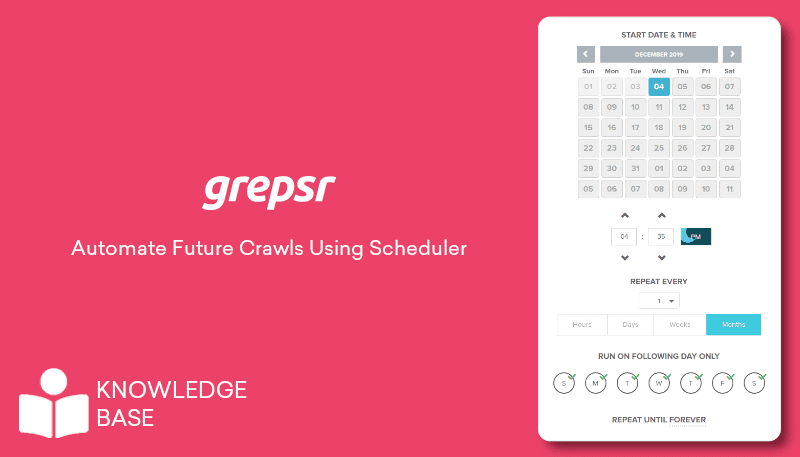
- Automated scheduling: Running extractions on daily, weekly or custom schedules.
- Clean, structured data: Datasets that are organized and ready for analysis.
- Compliance review: Checking data collection against privacy laws and website terms. The Ninth Circuit addressed scraping of publicly available data under the Computer Fraud and Abuse Act in hiQ Labs v. LinkedIn (9th Cir. 2022), and a site’s terms of service are a separate matter (White & Case’s summary of website terms and the CFAA); RFC 9309 states that robots.txt rules are not a form of access authorization.
What Do Businesses Use a Web Scraping Service For?
- Competitive intelligence: Continuous visibility into competitor pricing, promotions and product updates. For example, an e-commerce company can monitor competitor prices across platforms.
- Market research and trend analysis: Gathering reviews, ratings and feedback from multiple sources to find patterns. For example, a travel company can analyze reviews to see which amenities drive satisfaction.
- Lead generation and sales intelligence: Collecting business listings, contact details and hiring signals. Contact details can be personal data, so check privacy rules.
- Real-time monitoring and alerts: Tracking inventory levels, pricing changes and regulatory updates. See real-time data: what it is and why it matters.
- Time and resource efficiency: A managed approach reduces maintenance overhead and broken scripts.
How Does a Managed Web Scraping Service Work, Step by Step?
Step 1: Define Your Requirements
Identify the websites, data fields and extraction frequency that match your goals. The team works with you to understand your needs.
Step 2: Setup and Configuration
Engineers configure workflows for your target sites, including complex structures, pagination, authentication where permitted and dynamic content.
Step 3: Automated Data Collection
Scheduled extractions run at your chosen intervals, such as daily, weekly or custom, without action from your team.
Step 4: Data Cleaning and Delivery
Extracted data goes through validation rules before delivery in formats such as CSV, JSON, Excel or XML, or via API. Data can be integrated into your CRM, analytics dashboard or data warehouse. Confirm the current list of formats with the Grepsr team.
Step 5: Continuous Monitoring and Optimization
Workflows are monitored for site changes, errors and data quality issues, and adjustments are made to keep delivery consistent.
What Does Onboarding Look Like?
Onboarding follows the five steps above. How long it takes depends on the number and complexity of your sources. Ask the Grepsr team for a realistic timeline for your project.
What Are the Benefits of a Managed Web Scraping Service?
- Fewer technical barriers: Your team can access web data without managing infrastructure.
- Flexible delivery: Data can be delivered in formats such as CSV, JSON, Excel, XML or via API.
- Scheduling: Extractions run on schedules you set.
- Cleaning and validation: Datasets are validated and organized, which reduces post-processing.
- Support: A team handles setup, monitoring and updates.

Managed Service or In-House Scraping: Which Fits Better?
Some companies build scraping scripts internally. That can work for small projects, but it carries hidden costs. This comparison is qualitative.
| Factor | In-house scraping | Managed service |
|---|---|---|
| Setup time | Depends on complexity; often weeks | Depends on scope; ask the provider |
| Maintenance | Frequent updates by your team | Handled by the provider |
| Scalability | Limited by infrastructure and developer time | Built for larger volumes; confirm scale |
| Data accuracy | Inconsistent without dedicated validation | Validation steps are part of the service |
| Compliance | Managed internally | Reviewed with the provider |
| Cost | Developer time and infrastructure | Scoped to your requirements |
See in-house web scraping cost vs outsourcing.
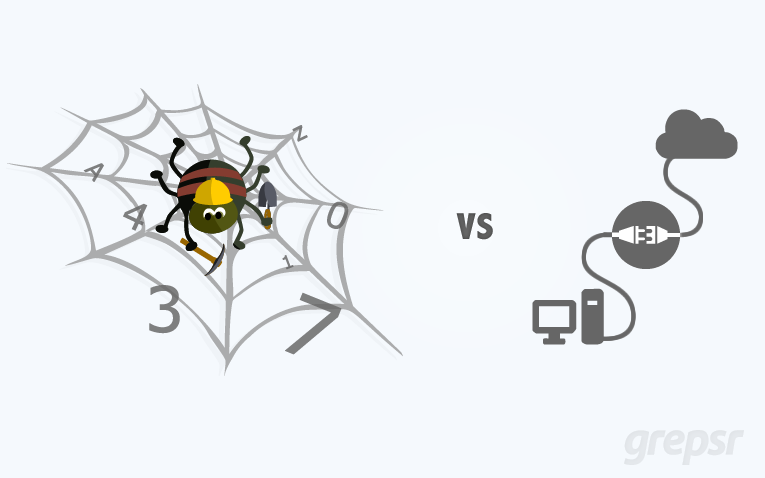
How Does a Managed Service Differ From DIY Scraping Tools?
Businesses often compare managed services with self-serve tools such as Octoparse, ParseHub or Apify, and with custom scripts. For each tool’s current features, check the vendor’s own public page.
| Option | Who does setup | Who maintains it | Typical output | Best when |
|---|---|---|---|---|
| Managed service | The provider | The provider | Delivered, validated datasets | You want data without running scrapers |
| Self-serve tool | You | You | Data from your own configuration | You have the time to configure and monitor |
| Custom scripts | Your developers | Your developers | Whatever you build | You need full control and have engineers |
See the web scraping solution and data as a service.
What Does a Web Scraping Service Cost?
Cost depends on data volume, complexity and extraction frequency, and projects are scoped to your requirements. See pricing details.
Which Industries Use Web Scraping Services?
- E-commerce: Track competitor pricing, inventory and promotions.
- Travel and hospitality: Monitor hotel, flight and rental pricing.
- Real estate: Aggregate listings, pricing and location data.
- Marketing and research agencies: Collect reviews and campaign data.
- AI and machine learning: Collect data for training sets, subject to rights and terms.
- Healthcare and pharmaceuticals: Track clinical trials, competitor activity and regulatory updates.
- Logistics and supply chain: Monitor shipping rates and supplier availability.
How Do You Get the Best Results From a Web Scraping Service?
- Define clear data objectives. Identify the data points you need and how they support your goals.
- Set the right extraction frequency. Match schedules to how often your data changes.
- Maintain data accuracy. Review and validate extracted data regularly.
- Integrate with business systems. Connect data to dashboards, CRMs or analytics tools through APIs or exports.
- Check compliance. Work with a provider that takes data protection and website terms seriously. The Ninth Circuit addressed scraping of publicly available data under the Computer Fraud and Abuse Act in hiQ Labs v. LinkedIn (9th Cir. 2022), and a site’s terms of service are a separate matter (White & Case’s summary of website terms and the CFAA); RFC 9309 states that robots.txt rules are not a form of access authorization.
- Monitor and optimize. Track performance and refine fields, sources or schedules as needs change.
Frequently Asked Questions
What is a web scraping service?
A web scraping service automates collecting data from websites and delivers it in structured formats like CSV, JSON or Excel, so you do not need manual extraction or custom scripts.
What is the difference between a web scraping service and a web scraping tool?
A tool is software you configure and run yourself. A service is a provider that sets up, runs and maintains the extraction for you.
When should a company use a scraping service instead of building in-house?
When you need many sources, frequent updates or ongoing maintenance and do not want to spend developer time keeping scrapers running.
How long does it take to start receiving data from a web scraping service?
It depends on the number and complexity of sources. Ask the provider for a timeline for your project.
How much does a web scraping service cost?
Pricing varies with data volume, complexity and extraction frequency. See pricing details.
Is web scraping legal?
It depends on the site’s terms, the data and your jurisdiction, including privacy laws such as GDPR and CCPA. The Ninth Circuit addressed scraping of publicly available data under the Computer Fraud and Abuse Act in hiQ Labs v. LinkedIn (9th Cir. 2022), and a site’s terms of service are a separate matter (White & Case’s summary of website terms and the CFAA); RFC 9309 states that robots.txt rules are not a form of access authorization. See is web scraping legal?.
Can a service scrape login-protected websites?
Only where you have proper access and permission, and where the site’s terms allow it. The Ninth Circuit addressed scraping of publicly available data under the Computer Fraud and Abuse Act in hiQ Labs v. LinkedIn (9th Cir. 2022), and a site’s terms of service are a separate matter (White & Case’s summary of website terms and the CFAA); RFC 9309 states that robots.txt rules are not a form of access authorization.
What formats can a service deliver data in?
Common formats include CSV, JSON, Excel and XML, or via API.