Last updated: November 25, 2026
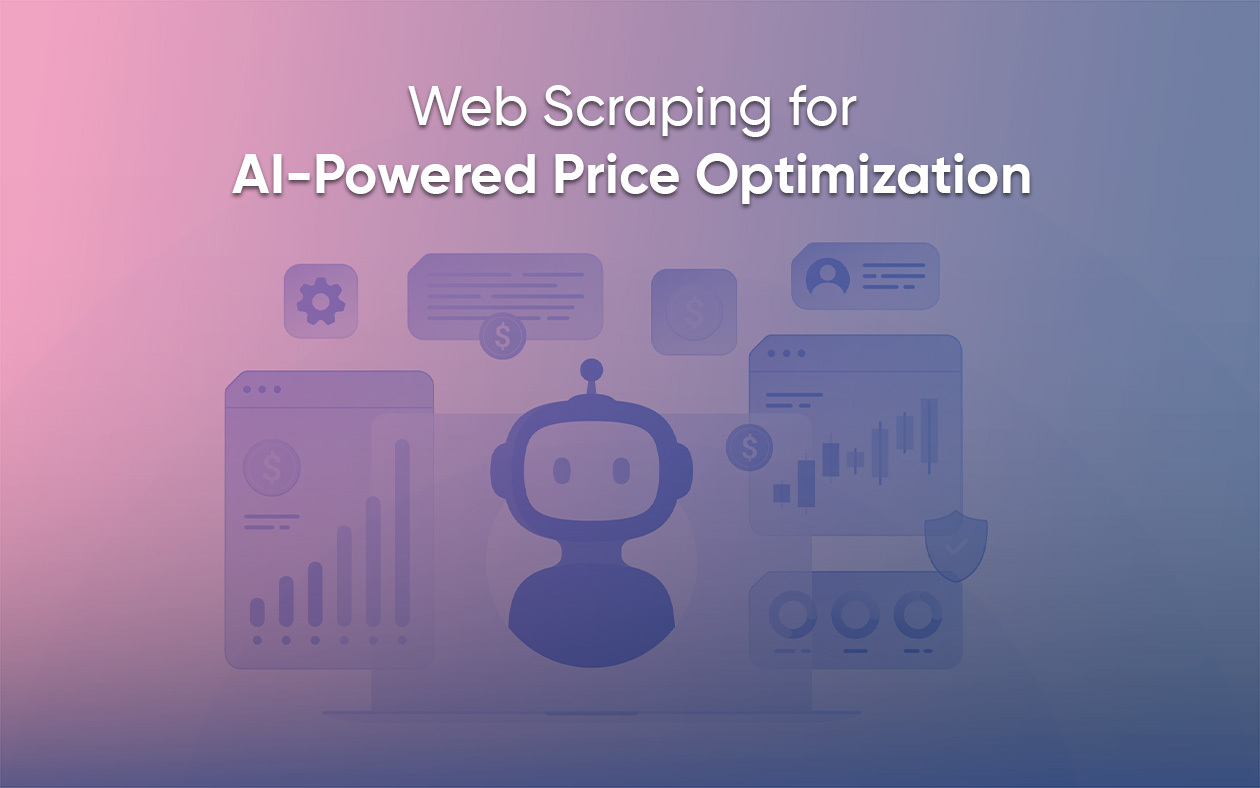
Web scraping matters for AI because models learn from large, varied datasets, and public websites are a common source for them. Scraping collects that data at scale, while AI can in turn make scraping more adaptable. This article covers why AI projects use web data and which quality and ethics limits to plan for; for AI applied to extraction itself, see our guide on how AI can be used in web scraping.
Artificial intelligence (AI) is a rapidly evolving field of computer systems that perform tasks that normally need human intelligence.
AI services are in growing demand, which increases the need for data to build and test models.

AI systems are built by collecting and training large amounts of data, recognizing patterns of various information. This makes AI capable of providing assistance in recommendations, decision-making, offering solutions, and making predictions.
To construct effective and accurate AI models, vast amounts of diverse datasets, powerful computing, and advanced algorithms are needed. Web scraping enables us to address these requirements by bringing data from enormous and diverse datasets from the internet.
Understanding Web Scraping
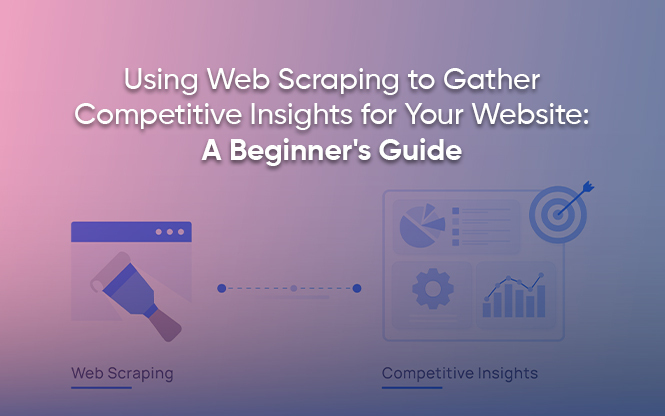
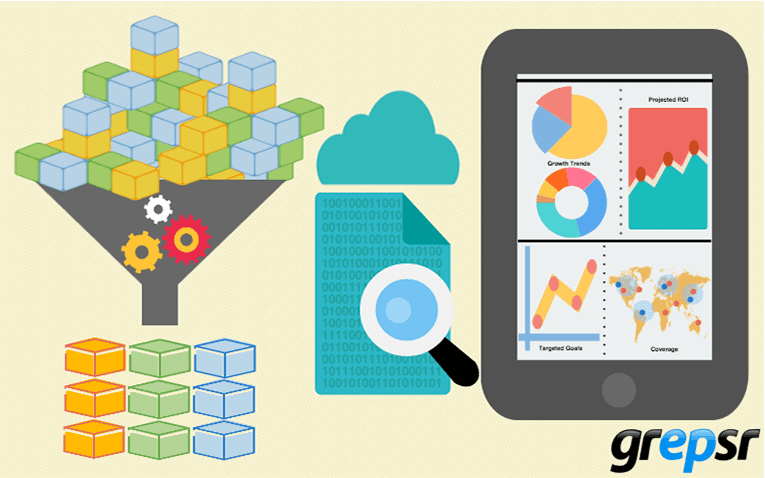
Web Scraping is the process of either automated, manual, or hybrid extraction of a large number of data from different websites. It can pull data from e-commerce platforms, and social media by using various tools and software. It enables businesses to obtain meaningful insights, generate leads, conduct market research, competitive analysis, monitor prices, and more.
There are various data extraction service providers available in the market. They help businesses get the raw data from the internet in properly organized databases, and spreadsheets. They also make it available through APIs (application programming interfaces).
With the rise of AI and machine learning, many domains are using AI in different capacities. For example, e-commerce has adapted AI to optimize and automate repetitive tasks like chatbots for user inquiries. Similarly, healthcare, medicine, marketing advertising, education, data mining, and cybersecurity have also merged AI into their system.
The algorithms that underpin AI in such domains need to be trained, and that requires massive amounts of data.
Web data extraction providers such as Grepsr describe collecting and structuring data for AI and ML training datasets; the data still needs cleaning and validation before use.
Importance of Web Scraping for AI
Here are a few more things that explain why AI needs Web Scraping:
1. Access to Extensive Enriched Data
As we are aware, building Artificial Intelligence and machine learning models in different systems requires a significant amount of training and testing. For which it needs tonnes of datasets from the web for each specific information.
For this, web scraping is essential as it delivers enterprises the ability to gather data from the internet. This constitutes an extensive archive of data, from several sources. To create an effectively performing AI application, web scraping helps with the frequent changes and improvements that can be made in the algorithm.
Models can improve as they learn from varied, current datasets, provided the data is cleaned and validated.

2. Speed and Efficiency
With the continuous testing of AI models for smoother and better performance and results each time, the speed and efficiency are also simultaneously advancing, by virtue of web scraping. Businesses can acquire enormous amounts of data fast and effectively by automating the data extraction procedure by employing web scraping services.
You can avoid the lengthy process of manual collection of massive data from websites by automated web scraping. This helps in creating a conclusion way faster and accomplishing tasks like finding the leads and analyzing user behavior masterfully.
3. Verification and Accuracy
Scheduled web scraping can give AI systems access to up-to-date information to check predictions against. Automated collection plus cleaning and validation steps helps catch irrelevant or erroneous material, though no process guarantees the data is correct.
Companies benefit from well-validated data when building AI and machine learning models; accuracy depends on the sources and the checks applied.
4. Competitive Intelligence and Advantage
AI systems fed with web data can draw on current trends, product ratings and consumer opinions from reviews and social media.
Web data can offer observations on client preferences, pricing patterns, customer feedback and rival strategies, which helps businesses understand their marketplace.
Thus, businesses with AI systems greatly benefit from the use of web scraping tools. They can monitor competitors’ websites, their reviews, pricing strategies, and market trends from customer behavior and make well-informed approaches.
5. Flexibility and Personalization
Web scraping can be tailored according to the particular preferences of the business. They are free to collect and analyze certain data that is valuable to them from the diverse set of databases and match their goals as per their industry.
The personalized web scraping service offers tailored solutions for businesses, empowering them to harness the power of AI and Machine Learning systems. This enables organizations to strategically leverage critical data, leading to service enhancements and fostering growth within their respective sectors.
Also, the AI-based system relies on data provided by the user for it to present personalized information. Thus, web scraping helps with the collection and analysis of user behavior from websites and social media for better personalization of algorithms for each user.
6. Risk Assessment and Cost Reduction
AI-assisted web scraping can reduce manual work by automating data extraction, so staff can focus on more critical responsibilities.
Similarly, in banking, finance and insurance, web data combined with AI can support the monitoring of fraud signals and credit risk. Investing in web scraping for AI can seem costly.
Once operational, automated collection can reduce the cost of further data extraction and analysis, although savings depend on the project.
Challenges and Ethical Concerns of Web Scraping
Web scraping may prove to be complicated, especially when artificial intelligence is used.
Dependence on Data Quality:
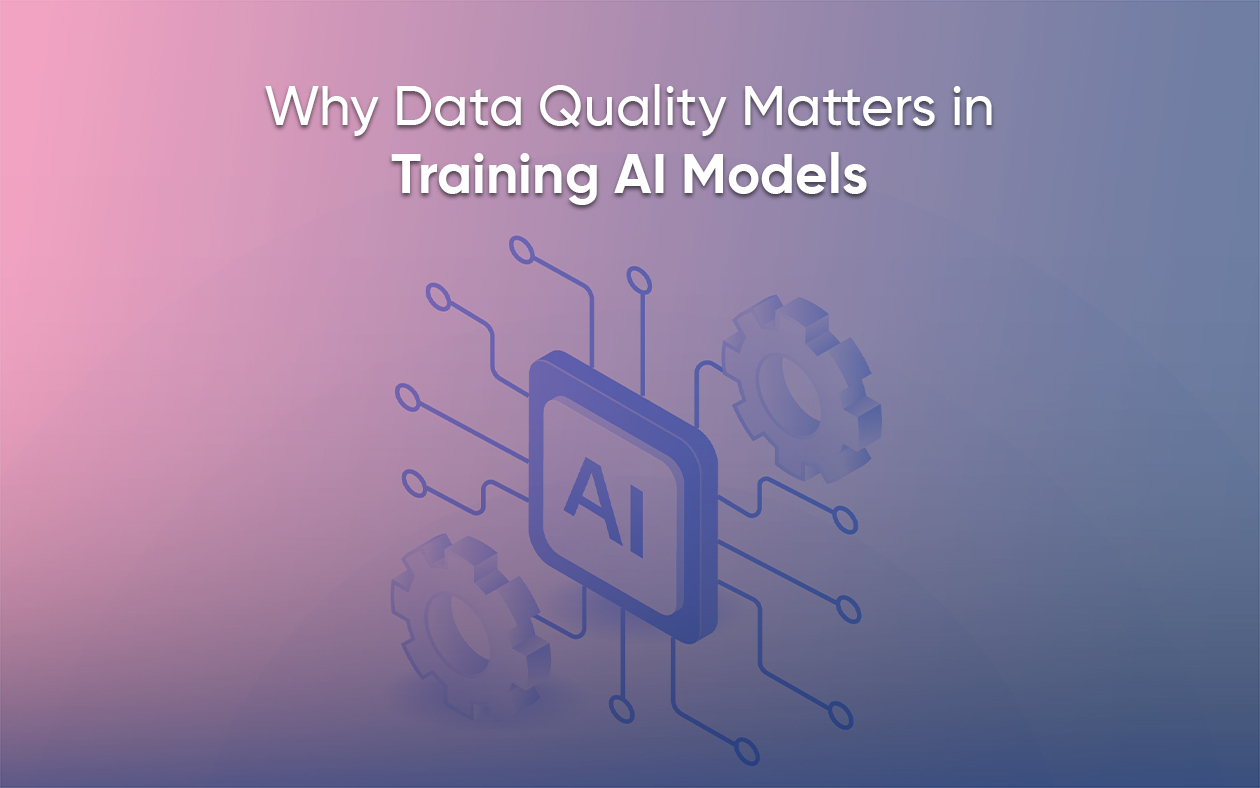
Firstly, the effectiveness of AI solutions depends on thorough preparation with multiple testing and execution.
This entails regulating the dependability of data sources, refining data collection techniques, and minimizing technical hurdles.
Hence, depending on how challenging the web scraping work is, AI might not always provide the best answer and can encounter limitations.
Legal and Ethical Standards:
Additionally, it is vital to follow site terms, privacy rules and ethical standards when extracting data. The Robots Exclusion Protocol (RFC 9309) is one signal to check, and personal data is covered by rules such as the GDPR and CCPA.
Protecting privacy and data security in web scraping involves security controls such as access control for credentials and handling personal data carefully. Grepsr publishes its security and privacy practices in its Trust Center.
See Grepsr’s ethical web scraping guide for the AI era for more.
The Future of Web Scraping

Grepsr also offers AI-powered data extraction services for businesses with data collection objectives.
Looking ahead, we anticipate ongoing innovations in web scraping. Alongside artificial intelligence and machine learning, scraping instruments have the potential to develop into more intelligent systems.
Such tools may come to understand context, adapt to website changes more quickly and help forecast data patterns. Websites may also add stronger controls as concerns about data security and confidentiality grow, which raises the bar for anyone collecting data responsibly.
The future of web scraping holds both challenges and opportunities.
The Bottom Line
Henceforth, web scraping is crucial in the digital age for the automated collection of massive data from a large number of sources. Such as online websites and social media for keeping records of user behavior, market trends, price monitoring strategies, and other personal objectives.
For an AI to be functional and give its best performance, it requires a vast amount of knowledge regarding each subject matter which can be provided by customized web scraping for valuable data.
AI-powered web scraping can offer benefits in the marketplace, such as faster collection, flexibility and lower manual effort, as long as outputs are validated.
Grepsr also offers a browser extension, Pline; see its browser extensions page.
For AI applied to extraction itself, see our guide on how AI can be used in web scraping.
Related reading: How AI Can Be Used in Web Scraping: Techniques, Benefits and Business Use Cases; Web Scraping for AI Training: How to Collect Web Data for AI and ML Models; How to Build AI Training Datasets with Web Scraping: An 8-Step Guide; API vs Web Scraping for AI Training Data: Which Should You Use?; Why AI and ML Models Need Diverse and High-Quality Training Data (With a Diversity Checklist); Ethical Web Scraping in the AI Era: Compliance, Risks & Best Practices; Effective Strategies for Acquiring and Preparing Web Data for AI.
Frequently Asked Questions
Why does AI need web scraping?
AI models learn from large, varied datasets, and public websites are a common place to collect them. Web scraping gathers product listings, reviews, prices and other public web content in bulk and puts it into structured form for training, testing and keeping models current. The collected data still needs cleaning and validation before use.
What is the difference between scraping for AI and AI-powered scraping?
Scraping for AI means collecting web data to train or feed AI models. AI-powered scraping means using machine learning to make extraction itself more adaptable, for example when page layouts change. This article covers the first; the guide on how AI can be used in web scraping covers the second. Many projects use both together.
Is scraped web data ready to use for AI training?
Not usually. Raw captures contain duplicates, inconsistent formats, missing values and noise, so teams clean, structure and validate them against a defined schema before training. The quality of the training data limits how well a model can perform, so preparation deserves as much planning as collection.
Does a robots.txt file mean a site allows scraping?
Not by itself. The Robots Exclusion Protocol (RFC 9309) says its rules are not a form of access authorization; it is a way for site owners to tell crawlers which paths they are asked to avoid. Check each site’s terms and the rules that apply to your data and use case, and respect robots.txt requests.
What are the main limits of using web scraping for AI?
Two stand out: dependence on data quality, since poor or biased sources produce weak models, and legal and ethical standards, including user privacy and data security. Plan for source selection, validation, minimal collection of personal data and clear handling rules from the start, not as a last step.

Last reviewed: November 25, 2026.