Last updated: November 18, 2026
Web scraping for lead generation is the automated collection of publicly listed business information, such as company names, locations, job postings, categories and public contact details, into a structured file that sales teams can load into a CRM. A typical workflow defines your ideal customer profile, picks sources that match it, extracts and cleans the fields, and matches the result against your existing leads. Because contact details can be personal data, check the GDPR and the rules for outreach before any campaign runs.
Lead generation web scraping is the scheduled, automated extraction of public business and prospect data from websites and directories, delivered as structured records for sales and marketing teams.

Lead generation works best when you reach relevant companies instead of everyone. Web scraping can supply a pool of target companies and enrich the leads you already have.
What Is Web Scraping for Lead Generation and How Does It Work?
On a fundamental level, web scraping is a handy tool people mainly use to replace the manual task of copy-pasting the information you need from the web at scale.
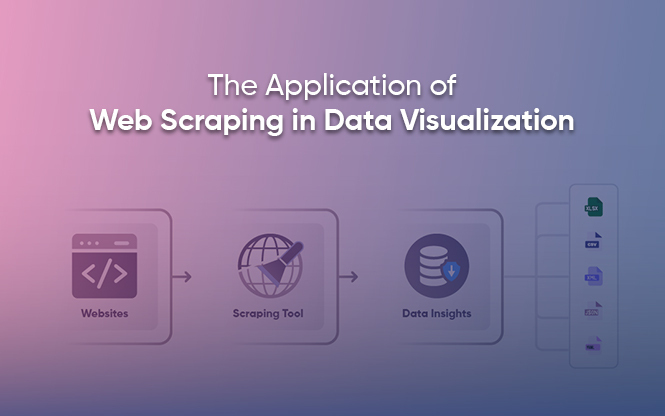
In simple terms, it is the process of automating web data extraction. The next important step in data extraction is to save the data in a structured format, i.e. JSON, CSV, or a simple excel spreadsheet.
Enterprises resort to data extraction when they need data in the millions. Suppose you need to train a machine learning algorithm. That’s when manual data extraction is not really an option you can consider.
Businesses use web scraping for a variety of applications. Many companies now use web data in their workflows. Web scraping gives you more information to chew on and provides a clever way to garner actionable insights.
Data available on the web comes in many forms. Not only that, it’s also spread across a variety of web sources.
For instance, in lead generation, if you are a real estate developer looking to invest in a series of high-value properties, you can turn to Zillow for possible leads. If you are a grocery supplier you can go to Yelp and Google Maps to find local businesses you can target to sell your services.
What web scraping does is provide you with a big pool of high-quality leads to target. Depending on the data points you decide to collect – contact name, contact phone number, email, business ratings and reviews, you can obtain insights on a granular level.

What Lead Data Can You Collect?
This table is qualitative. Each site sets its own terms, so check them before you collect.
| Source type | Typical fields | Lead signal | Compliance note |
|---|---|---|---|
| Job boards | Company, role, location, posting date | Hiring shows what a company needs | Check the board’s terms |
| Real estate portals | Property, price, agent name | Active listings and agents | Agent details can be personal data |
| Google Maps and POI data | Business name, address, category | Local businesses by area | Check the platform’s terms |
| Directories | Business name, category, ratings | Local performance signals | Check the directory’s terms |
| Company websites | Company name, public contact details | Direct fit with your profile | Contact details can be personal data |
Why Use Scraped Data Instead of Waiting for Inbound Leads?
Most businesses wait for inbound leads. They create landing pages, publish gated content and invest in SEO. That works, but it depends on prospects finding you first. Scraped data lets you start from the companies that match your profile instead of waiting for them to make a move.
This is where web scraping for lead generation comes in. Managed data extraction services like Grepsr can provide structured lead data, which is useful for more than cold calling.
We provide you with lead data in a standardized format that can be seamlessly integrated with your data processing and data classification systems. You can then pair your internal leads database with the external data, cross-reference data points and keep your pipeline supplied.
What Are the Most Popular Lead Data Sources for Web Scraping?
Businesses come with varied value propositions. Hence, your use case defines the web scraping project for lead generation. The qualitative and quantitative nature of your Ideal Customer Profile (ICP) has a heavy impact on the web sources you can use to shortlist leads.
Furthermore, here are a few of the popular web sources enterprises generally prefer to automate leads data extraction from:
Can Job Postings Be Used as Lead Signals?
Companies post vacancies on job boards like Indeed and Glassdoor every day. They are an overlooked insights mine.
These job postings give a clear indication of what the business is looking for. You could think of it as signals companies emanate that sum up their pain points in one way or another.
You can skim through the job postings of the industry you are interested in and see the kind of profile they are hiring for. It should give you enough information to populate your leads database.
Related reading: An Overlooked Insights Mine: Job Postings Data
How Are Real Estate Listings Used for Leads?
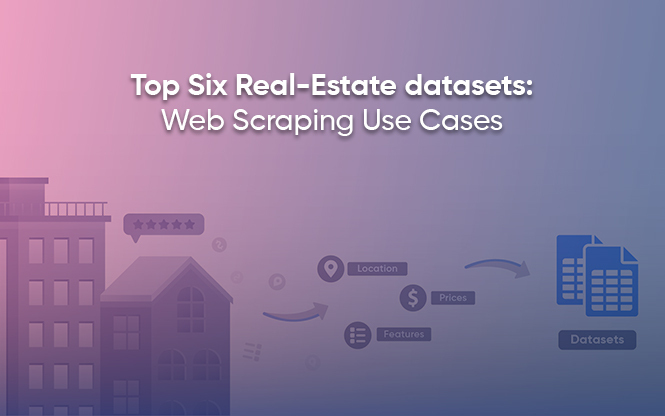
Real estate listing e-marketplaces like Zillow and Realtor have thousands of listings at a given time. One benefit of these listing websites is that they update frequently. Moreover, here are some data points you can consider: property price, property address, agent name, agent phone number, agent ratings, etc.
You can leverage Grepsr to extract historical real estate data or recurring real estate lead data to support your decision-making.
Related reading: Zero-in on Your Real Estate Prospects with Data
How Is Google Maps Data Used for Local Business Leads?
Google Maps is one of the foremost sources for leads data extraction. Moreover, you can find a company’s business model, phone number, address, ratings, and number of reviews, among many other data points to create a dependable database.
What’s even better about this approach is that you can get access to local insights regarding the needs and performance of a business.
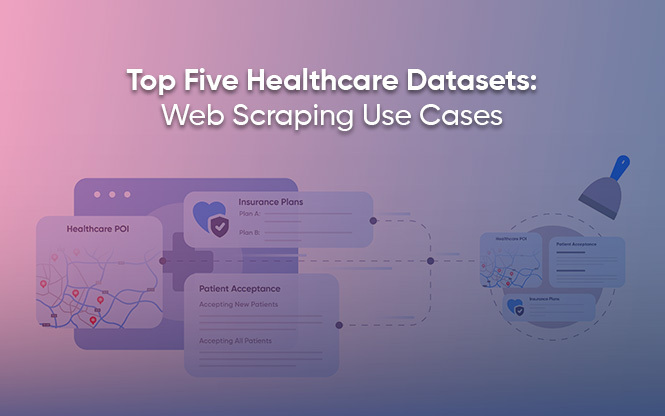
What’s more, Grepsr helps you get access to POI data points at scale. You can augment your sales strategy by enriching your leads database.
Furthermore, you can read more about the applications of POI data in business here.
Related reading: POI Data Applications & Its Significance to Businesses
What Can Directories Like Yelp and Yellow Pages Add?
Extracting leads data from Yelp and Yellow Pages helps you gather location-specific information about the performance of a business. Furthermore, Yelp is a reliable source for generating leads for your local business.
Importantly, you can use this data to perform effective competitive analysis.
Can You Collect Business Contact Details for Leads?
Last but not least, what better way to hear about the needs of your ideal customer’s pain points than straight from the horse’s mouth?
If you provide Grepsr with a list of companies you want to target or competitors you want to watch, Grepsr can collect public business information about them. Contact details can be personal data, so see the legal section below before you plan outreach.
Is Web Scraping for Lead Generation Legal?
It depends on the data and on how you use it. Public business information is treated differently from personal data, and the GDPR defines personal data broadly. The CCPA sets rules for California residents’ data. Outreach has its own rules: the EU ePrivacy Directive covers electronic communications, and the US CAN-SPAM Act covers commercial email. Each site also sets its own terms; the Ninth Circuit’s hiQ Labs v. LinkedIn decision dealt with public profile data. Read our guides to whether web scraping is legal and to data privacy at scale.
How Do You Clean and Match Lead Data?
Remove duplicate companies, standardize names, addresses and categories, and match records against your CRM so you do not contact existing customers. Refresh the data on a schedule that fits how fast your sources change.
What Inputs Does a Lead Data Project Need?
By now, we believe you pretty much understand the importance of leads data extraction. But, data extraction at scale is easier said than done.
As external data requirements increase, you inevitably run into problems like dynamic content and captchas. Since web data extraction is about automating data collection, web sources block IP addresses that make too many requests. Proxy rotation is a common way to reduce blocks.

If you are facing a drought and are looking for a way to build a robust sales pipeline, then we can help. Just give us the following information. It will help us understand your leads data needs properly which in turn will allow you to target highly-relevant personas.

Which Lead Generation Page Should You Read Next?
- Top web scraping companies for lead generation data
- Web scraping service for business listings
- Scraping Google Maps for business leads
- Data scraping for lead generation
- Lead generation for real estate using web data
- Gathering business leads from company websites
Last reviewed: November 18, 2026.
Summary: How to Start
Bringing it all together, we want to let you know that there are potential customers out there who don’t know how stuck they are. They feel in their bones that a service or product like yours could seriously help them improve and better their lives.
Let us know the kind of leads you are after, and Grepsr will provide you with the data you need to reach out to relevant leads and send them off on the correct trajectory.
Grepsr provides managed data extraction as a Data-as-a-Service offering. See what a web scraping service is and our Data-as-a-Service page.
FAQ
How can web scraping help in lead generation?
Web scraping automates the extraction of data from online sources, helping businesses gather leads at scale. The data can include business names, locations, ratings and public contact details.
What are some popular sources for web scraping lead generation?
Common sources include job listings (such as Indeed and Glassdoor), real estate listings (such as Zillow), Google Maps, Yelp, Yellow Pages and company websites. Check each site’s terms first.
What data points can be extracted for lead generation via web scraping?
Typical fields are business name, contact name, phone number, email, ratings, reviews and property listings. Contact details can be personal data, so collect only what you need.
What challenges are associated with web scraping for lead generation?
Common challenges are dynamic content, CAPTCHAs and IP blocking. Solving them is needed for continuous extraction at scale.
How does Grepsr assist with lead generation through web scraping?
Grepsr offers managed data extraction and delivers structured data from web sources, which you can combine with your existing database.
What is the difference between lead generation scraping and buying a lead list?
A bought list is a fixed file from a vendor. Scraping collects data from sources you choose, to your fields and schedule, so you control scope and freshness. Either way, check data protection rules before outreach.
Is it legal to scrape emails and phone numbers for outreach?
Emails and phone numbers can be personal data, and outreach is regulated. See the GDPR, the CAN-SPAM Act and our guide to whether web scraping is legal.
How do you keep scraped lead data accurate over time?
Refresh it on a schedule, deduplicate, validate fields and match records against your CRM.