A popular query we come across in the web scraping industry is “Can a web scraping service extract business listings and contacts from Google Maps and directories?”
Quick answer: A managed web scraping service like Grepsr can extract far more than names and addresses from Google Maps and business directories.
We can extract contact details, hours, ratings, categories, service options, and geolocation data and deliver them as structured, ready-to-use datasets. Grepsr backs this with 14+ years of experience, 99.5% data accuracy, and 10B+ records delivered to 1,500+ enterprise clients.
If you’ve only ever pulled business listing data by hand, it’s easy to assume scraping just gets you a name, an address, and maybe a phone number. In practice, a properly built scraper by a web scraping expert captures a full business profile, enough to power lead lists. Including location intelligence and competitive mapping without a single manual copy-paste.
What data points actually come out of a listing
A single Google Maps or directory entry contains far more structured detail than most people realize, and a capable scraper is built to capture all of it:
- Identity and location: business name, full address, latitude/longitude, map ID, and a direct map link
- Contact and web presence: phone number, website, and linked social or ordering pages where listed
- Reputation signals: star rating and total review count
- Hours: full weekly operating hours, broken out by day
- Classification: primary and secondary business categories (a single location can carry several, e.g., “drug store,” “convenience store,” “cosmetics store”)
- Operational details: accessibility features (wheelchair entrance, accessible parking), accepted payment types, and service options like curbside pickup, delivery, or in-store pickup
Grepsr’s Google Maps scraper is built around this exact field set, which is what makes the data usable for analysis straight out of the box rather than something you have to enrich or clean up first.
What businesses actually do with this data
Lead generation and outreach. Sales and marketing teams use directory scraping to build targeted contact lists. Every business of a certain type, in a certain area, with a phone number and address attached. Doing this by hand caps out at a few dozen entries before it stops being worth the time; a managed scrape can return thousands.
Location and market intelligence. Pulling every location of a chain, or every business in a category within a region, turns into a map of where competitors are concentrated and where they’re not. It’s useful for site selection, expansion planning, and spotting underserved areas.
Competitor tracking. Ratings, review counts, and hours change over time. Scraping this on a recurring schedule lets you track how a competitor’s standing shifts, or whether they’ve changed hours or added services like delivery.
Demographic and geospatial analysis. Category and location data in aggregate is essential to build a picture of the local business mix in a given area, such as retail density, service gaps, or the concentration of a particular industry, which feeds into broader market research.
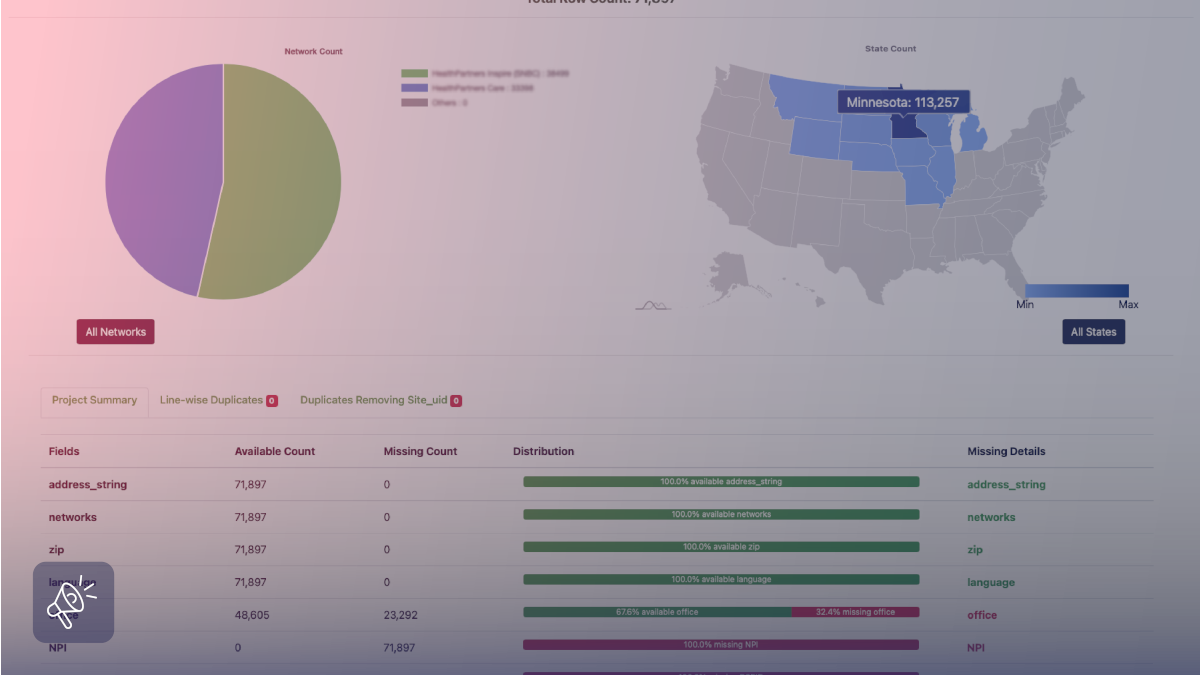
Grepsr’s own location-intelligence datasets reflect this range directly: existing reports cover everything from national retail chains to regional restaurant groups, mapping out store counts and geographic spread the same way a custom project would for your target market.
Where this data comes from
Business listing scraping isn’t limited to Google Maps. The same approach applies to Yelp-style review directories, industry-specific listing sites, and niche business directories, anywhere businesses maintain a structured public profile.
Grepsr scopes each project to the specific sources relevant to your industry rather than a single fixed source. So the same lead-gen or market-mapping project can pull from Google Maps and a sector-specific directory in the same delivery.
Why this beats collecting it manually
Manually collecting even a few hundred listings means opening each one, copying fields by hand, and hoping nothing gets missed or mistyped along the way. Unfortunately, the moment you’re done, some of it is already out of date.
A managed web scraping service does this automatically, at scale, on a schedule, with the fields already standardized.
Grepsr backs the output with continuous QA monitoring, which is how it maintains accuracy and completeness across the billions of records it has delivered, and everything comes with zero coding required on your side.
You define the scope, Grepsr handles extraction, cleaning, and delivery.
Getting started
Whether the goal is a one-time competitor audit or a recurring lead feed, the scope comes down to three things:
- which sources to pull from,
- which fields matter for your use case, and
- how often the data needs to refresh.
Grepsr can help define all three based on what you’re trying to do with the data.
Interested in seeing how a managed service can work for you? Schedule a meeting with Grepsr for a free cost estimate.
Frequently Asked Questions
What data can I get from a Google Maps scraper?
Beyond name and address, Grepsr’s Google Maps scraper can pull latitude/longitude, ratings and review counts. Also, full weekly hours, business categories, accessibility details, accepted payment types, and service options like delivery or curbside pickup.
Can I extract data from directories other than Google Maps?
Yes. The same extraction approach works across Yelp-style review sites, industry-specific directories and niche business listing platforms. Grepsr scopes each project to the sources relevant to your target data.
How accurate is scraped business listing data?
Accuracy depends on the provider’s QA process. Grepsr maintains a 99.5% data accuracy rate across the 10B+ records it has delivered, backed by continuous quality monitoring before data reaches the client.
Do I need any technical skills to use this kind of service?
No. Grepsr’s model requires zero coding on your end, you define what data you need, and Grepsr’s team builds, runs, and maintains the extraction process.
How often can the data be refreshed?
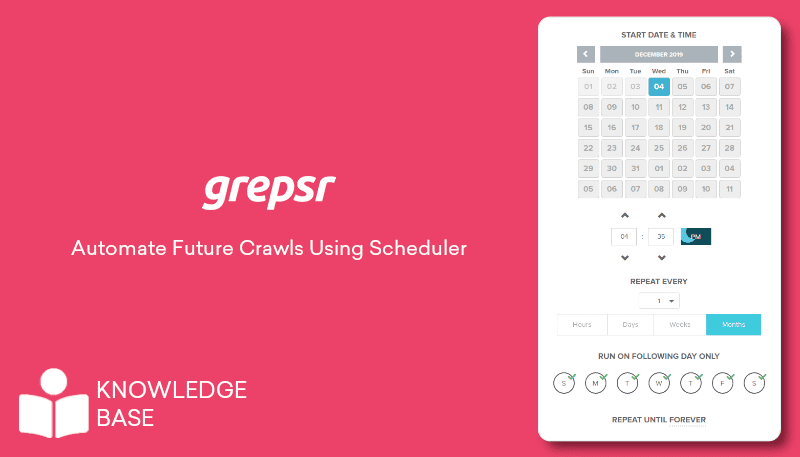
We can schedule delivery to match your needs, from a one-time pull to recurring daily, weekly, or monthly feeds, which is common for ongoing competitor or market tracking.