Real estate moves on numbers, but it often turns on emotions first. When buyers start feeling anxious, they hesitate, negotiate harder, and delay decisions. When optimism returns, the same market can look “hot” overnight.
That is why homebuyer sentiment analysis is becoming a practical tool for investors, market analysts, and fund managers. It helps quantify what buyers are saying and feeling, across reviews, forums, social posts, and listing comments, and then connects those signals to pricing, demand, and risk.
In this article, we will cover how real estate consumer sentiment is measured, how social listening real estate workflows work, how property review analytics turns messy text into usable indicators, and how sentiment can be tested against market movements using real data.
What “homebuyer sentiment” really captures
Homebuyer sentiment is not one emotion. It is a mix of signals that shape demand:
- Confidence about affordability and financing
- Trust in builders, neighborhoods, and future value
- Fear around safety, maintenance, hidden costs, or delays
- Excitement about amenities, connectivity, lifestyle fit
The important part is timing. Sentiment shifts often first show up in online conversations and reviews, then in behavior such as longer decision cycles, fewer bids, and more price negotiations.
Using online reviews and forums for sentiment
If you want sentiment that reflects reality, you want places where people complain honestly and compare options publicly.
High-signal text sources
- Property and builder reviews (project-level feedback)
- Local forums and community groups (neighborhood experience)
- Q&A threads about financing, legal checks, or builder delays
- Social posts reacting to price cuts, launches, or possession timelines
The goal is not to “collect everything.” It is to collect consistent text around:
project name, builder name, locality, time, and context (purchase stage if visible).
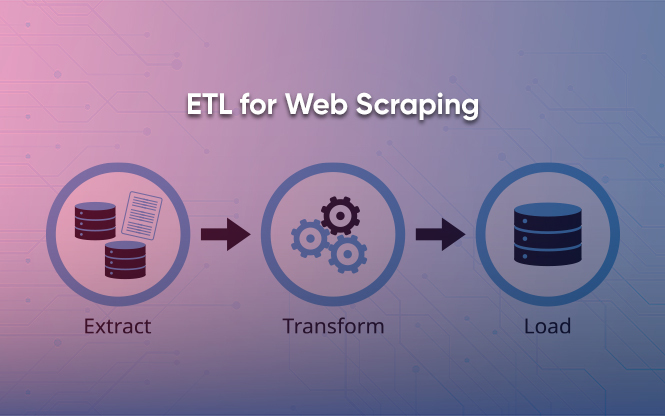
This is where web data extraction becomes the backbone. You need the text, but you also need the metadata around it, sentiment becomes noise.
Quantifying buyer sentiment into investable metrics
Sentiment becomes useful for investment decisions only when you convert text into repeatable numbers.
A practical sentiment scorecard
Most funds use some version of these layers:
1) Polarity score
Positive vs negative tone at review or post level.
2) Aspect-based sentiment
Separate sentiment by theme, for example: pricing, build quality, safety, connectivity, maintenance, and amenities.
3) Volume and velocity
How many mentions are happening, and how fast the conversation is changing.
4) Confidence and source weighting
A long, detailed forum thread may matter more than a one-line comment. Builder review sites might skew negative because people only write when they’re upset. Weighting reduces bias.
5) Risk flags
A separate metric for “serious concerns,” such as legal disputes, delayed possession, structural issues, waterlogging, or repeated safety complaints.
This is also where topic modeling helps. Instead of guessing what people care about, you cluster recurring themes and track how those themes shift month to month.
Correlation between sentiment and market movements
Sentiment is not magic, but it is measurable.
Academic and industry research has shown that behavioral signals from online activity can be predictive for housing outcomes. For example, work on online search activity has found strong predictive relationships with future housing sales and prices. Another paper develops a housing search index and reports predictive power over subsequent house price changes.
On the textual side, research has also examined housing media sentiment using NLP methods (including topic modeling) and found that some topics are significantly related to house price movements, while others are not. In other words, sentiment can matter, but you still have to test it properly.
How to test sentiment properly
If you want to check whether sentiment is truly useful, do not start with a big claim. Start with a clean backtest.
- Build a sentiment index by region and time window (weekly or monthly).
- Compare it against future movements (prices, inventory, days on market, absorption).
- Use time-aware validation (train on the past, test on the future).
- Segment results (some neighborhoods react more strongly than others).
A key point: sentiment is often better at explaining “direction change” than predicting exact price numbers.
Tools for sentiment analysis in real estate
A reliable toolkit usually combines:
NLP building blocks
- spaCy or similar libraries for entity extraction (project names, builders, localities)
- Transformer-based classifiers for sentiment and intent
- Topic modeling to discover recurring themes at scale
- Deduplication and language detection (real estate text is messy and multilingual in many markets)
What you must get right before the model
- Clean text extraction (remove boilerplate, duplicates, copied listings)
- Consistent metadata (source, time, location, entity mapping)
- A small labeled dataset from your domain (even 500–2,000 samples helps a lot)
If you skip these, the model becomes impressive but unreliable.
Case: predicting price changes from sentiment data
Here is a realistic way teams use sentiment without overpromising:
Scenario
You track buyer conversations for 30 micro-markets and compute:
- sentiment polarity (net positive)
- complaint intensity (risk flags)
- volume change (buzz rising or fading)
What you may see
- Markets where sentiment improves and volume rises often show improving liquidity signals first (faster absorption, fewer price drops).
- Markets where complaints spike (quality, water, delays) may show weaker demand before prices adjust, especially when supply is high.
This aligns with broader research showing online behavioral signals can help anticipate housing market activity. The win here is not predicting the exact price. The win is identifying where market conditions are strengthening or weakening earlier than traditional reports.
Operational angle: manage product listings with web scraping
Sentiment insights are even more valuable when they feed into day-to-day execution.
If you manage product listings with web scraping (in real estate, your “product” is your property inventory), you can connect sentiment themes directly to listing decisions:
- If “parking” and “security” drive positive sentiment in a locality, highlight those early in the listing copy.
- If “maintenance” and “water logging” complaints rise, address them proactively in sales conversations and due diligence.
- If buyers keep comparing two nearby projects, build side-by-side comps and train agents to position clearly.
This turns sentiment from a dashboard into an operating system for pricing, positioning, and conversion.
How Grepsr supports sentiment-driven real estate intelligence
If you want to track sentiment at scale, screenshots and manual copy-paste will not take you far. You need a repeatable way to collect public text data, maintain a consistent schema, and refresh it often enough to keep up with how quickly conversations shift around a neighborhood, builder, or listing. That is exactly what Grepsr’s Housing & Real Estate data workflows are built for, pulling structured text from sources like reviews, forums, listings, and local coverage, then delivering it in analysis-ready formats your analytics team can use right away.
This becomes much more practical when the pipeline stays reliable week after week. In Grepsr’s real estate data intelligence customer story, the focus is on building accurate, high-quality property datasets that stay current without constant manual rework, which is the same foundation you need before sentiment modeling becomes trustworthy.
If your team is specifically trying to build neighborhood-level sentiment signals, this guide on neighborhood sentiment scores from web data is a useful reference for what to capture and how to structure the dataset. When you are ready to map this to your schema, refresh frequency, and delivery format, the cleanest next step is to start from Grepsr’s Contact Sales flow and define the sources and fields you want to monitor.
Conclusion
Homebuyer sentiment is no longer a soft signal. With the right data pipeline, it becomes measurable, testable, and actionable.
For investors and fund managers, homebuyer sentiment analysis can add an early-warning layer to traditional market tracking. It can highlight shifting risk, changing preferences, and liquidity signals before they become clear in monthly price reports. And when you tie sentiment themes back to listings and positioning, you improve both investment decisions and execution.
FAQs
What is homebuyer sentiment analysis?
It is the process of collecting buyer opinions from sources such as reviews, forums, and social conversations, then using NLP to convert them into measurable indicators that support real estate decisions.
Which sources work best for real estate consumer sentiment?
Property reviews, project forums, community discussions, and Q&A threads often contain high-intent, detailed feedback that is useful for property review analytics.
Can sentiment predict real estate price changes?
Sentiment can sometimes provide early signals that correlate with market movement, especially when combined with other indicators and tested with time-based validation. Research shows that online behavioral signals, such as search indices, can help predict housing market activity.
What is social listening in real estate?
Social listening in real estate means monitoring online conversations about neighborhoods, projects, pricing, and buyer concerns to detect trends and shifts in demand.
How do I avoid noise and bias in sentiment data?
Use source weighting, remove duplicates, track volume and velocity, and validate your sentiment index against real outcomes over time.