Fraud in e-commerce rarely manifests as a single obvious event. It appears as small signals spread across many places: a suspicious seller pattern on a marketplace, a cluster of reused shipping details, repeated account access attempts, or sudden product and pricing changes that do not fit normal demand. For fraud analysts, security teams, and risk managers, the challenge is not only catching bad activity. It is collecting enough reliable context, fast enough, to act before the damage grows.
That is where web data for e-commerce fraud detection becomes useful. Web scraping gives teams a way to collect public signals from threat intelligence sources, marketplaces, seller pages, product listings, and other web properties, then move that information into risk workflows that support online fraud analytics. When done well, it strengthens transaction-monitoring scraping, improves cybersecurity and e-commerce visibility, and helps businesses connect external signals to internal controls.
Understanding E-commerce Fraud
E-commerce fraud covers more than card misuse. It can include account takeover, fake seller activity, coupon abuse, friendly fraud, chargeback manipulation, triangulation schemes, and coordinated resale behavior. Most internal systems are good at watching transactions inside the business. What they often miss is the wider market context around those transactions.
That outside context matters. A fraud event can be tied to a seller that appeared overnight across multiple marketplaces, a shipping address pattern that is already surfacing in public forums, or credentials exposed through public breach chatter.
Utilizing Web Scraping in Fraud Prevention
The goal of web scraping in fraud prevention is not to replace internal fraud engines. It is to enrich them. Once businesses begin collecting external signals in a consistent format, they can compare those signals against transaction data, login activity, seller behavior, and supply chain changes. That creates a much stronger basis for detection than relying on a single source.
Scraping Threat Intelligence Feeds
One of the most practical use cases is collecting indicators from public threat intelligence sources. Security teams may monitor malicious domains, IP addresses, phishing infrastructure references, breach-related chatter, or advisories that point to emerging attack techniques. Public resources, such as CISA’s cybersecurity advisories, provide teams with a current view of tactics and indicators that can support fraud-screening logic, especially when account abuse overlaps with broader cyber activity.
For e-commerce businesses, this becomes useful when suspicious sessions, sign-ups, or seller accounts align with known risk indicators. Instead of treating every anomaly as a blank slate, teams can evaluate whether a behavior fits a larger threat pattern already visible on the open web.
Monitoring Account Takeover Indicators Online
Account takeover is one of the clearest examples of why external monitoring matters. A login attempt may look unusual, but it becomes more meaningful when combined with signs such as credential-stuffing chatter, spikes in password reset abuse, lookalike domains, fake support pages, or complaints surfacing across public channels. Web data helps fraud teams track those signals early.
This also helps product and security teams decide where to tighten controls. If takeover indicators are clustering around one region, device type, campaign, or merchant segment, businesses can adjust step-up authentication, monitoring thresholds, or customer communication before losses spread.
Detecting Unusual Seller or Transaction Patterns
Fraud prevention in e-commerce is not limited to buyer behavior. Seller-side activity matters just as much. Web scraping can help monitor unauthorized resellers, cloned listings, manipulated product attributes, suspicious storefront churn, and pricing or inventory movements that do not match normal commercial behavior.
That is one reason fraud teams increasingly work alongside marketplace, compliance, and operations teams. A suspicious order may make more sense when compared with changes in seller reputation, inventory anomalies, or fulfillment irregularities observed across public sites. In that sense, fraud monitoring can overlap with real-time e-commerce trend analysis, because unusual demand, stock, and seller patterns sometimes expose coordinated abuse before internal systems fully classify it.
How Grepsr Supports E-commerce Fraud Prevention
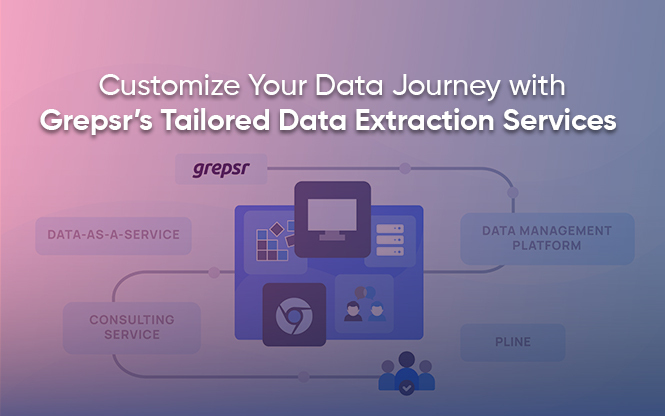
Grepsr fits this workflow by helping teams collect structured external data without building and maintaining fragile in-house scraping infrastructure. Through its web scraping services, e-commerce data solutions, and Web Scraping API, the company positions itself as a provider of reliable extraction, clean delivery, and integration-ready datasets that can plug into existing risk workflows.
That matters because fraud teams do not simply need more data. They need data that arrives on schedule, follows a usable schema, and can be pushed into dashboards, data warehouses, case management systems, or fraud models without creating more manual cleanup. Grepsr’s broader services messaging is built around exactly that kind of enterprise-ready delivery.
Integrating Scraped Data with Fraud Detection Systems
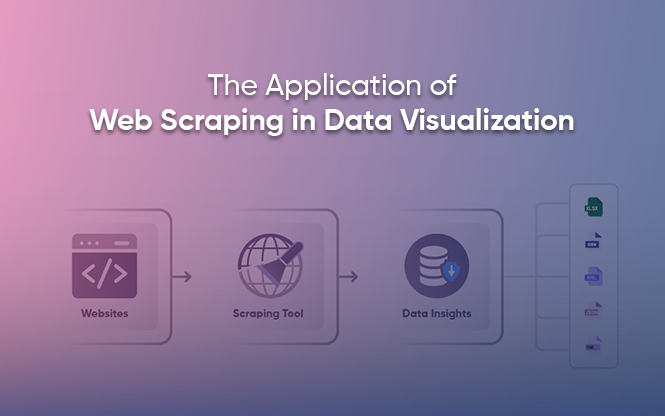
The most useful fraud programs treat scraped data as one layer inside a larger decision system. External signals can be sent into rule engines, SIEM tools, anomaly-detection models, analyst dashboards, or internal case queues. When seller changes, threat indicators, and marketplace activity are tied back to orders, sessions, and customer events, fraud teams gain a more complete picture of risk.
This is also where the long-term value shows up. Teams can start segmenting risk by channel, seller type, geography, category, or attack pattern. Over time, that moves web data from simple monitoring into business strategy. It can support loss prevention, marketplace governance, and even API-based delivery into enterprise systems where fraud intelligence becomes part of broader operational decision-making.
In some cases, that wider view also supports real-time supply chain data analytics. If a fraud pattern repeatedly appears alongside unstable inventory, fake scarcity, or suspicious seller substitutions, teams can use those signals to improve both risk controls and marketplace health.
Regulatory Compliance in Fraud Monitoring
Any fraud-monitoring program that touches payment environments must stay aligned with current security standards. The official PCI DSS resources remain the right reference point here. The PCI Security Standards Council published PCI DSS v4.0.1 in June 2024 as a limited revision that clarified guidance without adding new requirements, and it did not change the 31 March 2025 effective date for the new requirements already introduced in v4.0.
In practical terms, that means fraud-monitoring projects should be designed with care regarding scope, data handling, access control, and integration boundaries. Web scraping can strengthen fraud programs, but it should never become an excuse to collect or expose sensitive data carelessly. The safer model is to collect only the external signals needed for detection, document the workflow clearly, and route the resulting datasets into controlled internal systems.
Compliance also includes the legal and ethical side of data collection. Grepsr’s own overview of web scraping legality makes the point well: teams should understand what data is public, what is restricted, and how collection practices affect privacy, performance, and downstream use.
Final Thoughts
Fraud prevention in e-commerce works best when businesses stop looking only inward. Internal transactions tell part of the story. Public web signals tell the rest. When those sources are combined, fraud teams can spot account takeover indicators earlier, identify unusual seller or transaction patterns faster, and build stronger online fraud analytics with less guesswork.
That is the practical value of web scraping here. It is not about collecting data for the sake of collection. It is about turning scattered web signals into a structured layer of intelligence that supports better decisions. For teams that want reliable delivery, cleaner schemas, and integration-ready workflows, Grepsr offers a useful starting point through its managed extraction services, API options, and custom enterprise solutions.
To explore what that could look like in your environment, contact Grepsr’s team for a more tailored discussion.
FAQs
- What is e-commerce fraud detection web data?
It is external web-based information that helps fraud teams assess risk, such as seller activity, threat indicators, suspicious listings, marketplace changes, and other public signals that can enrich internal fraud models and investigations.
- How does web scraping help prevent account takeover?
It helps teams collect external indicators that may point to takeover campaigns, such as phishing pages, lookalike domains, public threat advisories, or abuse patterns appearing across the web. Those signals can then be matched against internal login and account activity.
- Can scraped data be integrated with fraud detection systems?
Yes. Structured datasets can be routed to rule engines, SIEM platforms, BI dashboards, analyst queues, or machine learning workflows, making external signals part of day-to-day fraud operations.
- What kinds of seller patterns are useful to monitor?
Useful patterns include rapid seller creation, repeated storefront changes, cloned listings, abnormal pricing shifts, suspicious stock behavior, and inconsistent product data across marketplaces.
- Does web scraping create compliance risks?
It can if teams collect the wrong data or handle it poorly. That is why projects should be designed around public data boundaries, documented use cases, controlled access, and current security standards such as PCI DSS, where payment environments are involved.
- How does Grepsr fit into a fraud-monitoring workflow?
Grepsr helps teams collect and deliver structured web data through managed extraction services and APIs, which can then be connected to internal fraud tools and analytics systems.
- What is the business value beyond fraud detection?
Over time, the same data can support marketplace oversight, seller governance, supply chain anomaly analysis, and faster response to emerging threats across channels.