Real estate lead generation has changed. It is no longer just about running ads and hoping the phone rings. Today, the teams that win are the ones who build a steady pipeline of intent signals, organize them fast, and follow up in a way that feels relevant.
That is where real estate lead generation data comes in. When you use web data the right way, you can spot seller intent earlier, find buyer demand pockets faster, and keep your CRM clean and actionable. The goal is not “more leads.” The goal is better leads, with better timing.
In this guide, we will cover the best sources for real estate leads online, how property leads scraping and homeowner data collection can support outreach, how to handle CRM integration, and how to stay compliant when contacting prospects. We will also touch on an advanced use case: how teams build a dynamic pricing model with web data to improve outreach and conversions.
What “real estate lead generation data” looks like
Think of lead generation data as two layers:
Identity signals: who the prospect is and how to contact them (when lawful and appropriate).
Intent signals: what suggests they are likely to buy, sell, rent, or list soon.
A modern lead engine focuses heavily on intent. Identity without intent becomes spam. Intent without organization becomes a missed opportunity.
Common intent signals include price drops, repeated relistings, rising “days on market,” new construction delivery windows, rental vacancy changes, and neighborhood-level demand shifts.
Best sources for real estate leads online
There is no single “best” source. The strongest pipelines combine several sources, so you are not dependent on one platform.
1) First-party lead sources you already control
These are often the highest quality because prospects choose to engage.
Your website forms, valuation pages, WhatsApp inquiry buttons, landing pages for “sell in X days” offers, open house registrations, newsletter signups, and gated resources, such as area price reports, all count here.
The advantage is clean consent, better targeting, and easier CRM tracking.
2) Listing and market activity sources
These sources help you understand what is happening in your target neighborhoods right now. Even when you are not extracting personal contact details, this data can help you prioritize outreach.
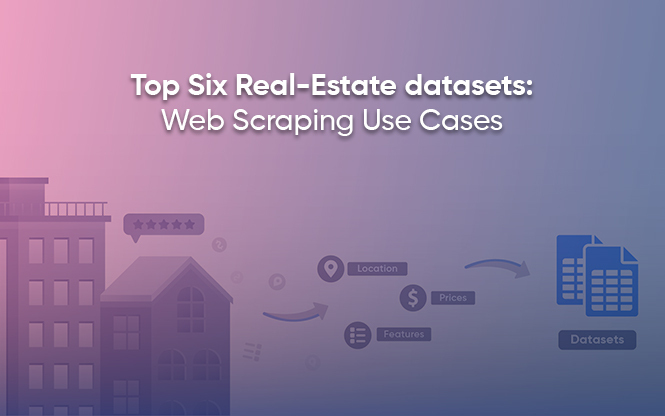
Examples include active listings, price changes, expired listings, new construction inventory, and rental-to-sale shifts. This is where many teams explore property leads scraping, but you should treat it as a compliance-sensitive activity. Many major platforms explicitly restrict automated access or scraping in their terms of service, so the safe path is to use licensed feeds, approved APIs, partnerships, or a managed data provider that designs collections around permitted access.
3) Public records and local government sources
Depending on the country and local rules, public records may support legitimate market research and certain outreach workflows. Examples include property tax records, deed transfers, permits, foreclosure filings, and zoning updates.
This category often supports “seller opportunity” research, but it still requires careful privacy handling and a lawful basis for any contact.
4) Marketplaces, aggregators, and paid lead programs
These can work well if your follow-up is strong and your CRM is set up to measure ROI. The key is tracking source quality, not just volume.
5) Social and community signals
Local forums, neighborhood groups, and community pages can reveal shifts in demand and upcoming changes. These are usually better for market intelligence and targeting than direct outreach.
Property leads scraping, what it is, and how to use it safely
Property leads scraping is a broad phrase. In practice, it can mean:
- Collecting listing-level data for comps and targeting
- Monitoring competitor pricing and inventory
- Identifying “high intent” listings (price drops, stale inventory)
- Enriching your CRM with property context
The safest and most sustainable approach is to treat scraping as data extraction for analytics, not as a shortcut to harvesting personal contact information.
If a platform’s terms restrict automated access or scraping, do not build your lead pipeline on top of breaking those rules. A strong alternative is to use licensed datasets or a partner that can deliver structured data in a compliant, production-ready manner.
Homeowner data collection, without creating risk
“Homeowner data collection” can help sales and marketing teams personalize outreach, but it can also inadvertently create cross-compliance lines.
A cleaner approach is to separate what you need into three levels:
Level 1: Property context
This is usually safe and useful for segmentation:
location, property type, size band, neighborhood price range, listing behavior, and local trend markers.
Level 2: Contactability data
This is the sensitive part. Before you collect or use it, you need to be clear about the lawful basis, platform rules, and outreach laws.
Level 3: Consent and preferences
This is the most valuable long-term: opt-in status, preferred channel, and what the lead asked for.
If you build your pipeline to capture consent and preferences early, your conversion rates typically improve because your messages are more welcome and more relevant.
Compliance for contacting leads
This section is not legal advice, but it will keep you from common mistakes that hurt real estate teams.
TCPA basics for calls and texts in the US
If you call or text prospects in the United States, TCPA compliance can be a major issue, especially for telemarketing calls and texts.
The FCC has addressed consent practices tied to lead generation and comparison-shopping-style flows, including rules aimed at preventing a single consent from being used to contact consumers on behalf of multiple sellers.
A practical takeaway for real estate teams is simple: do not treat “one form fill” as permission for unlimited outreach from multiple brands or partners. Build clear consent capture, log it, and match your messaging to what the person agreed to.
GDPR basics for EU and UK-style privacy regimes
If you process personal data of people in the EU, you need a lawful basis for processing under GDPR.
For direct marketing, regulators commonly point to consent or legitimate interests as likely lawful bases, but you still need to assess which applies to your context and document it.
The EDPB has also emphasized that “direct marketing can be a legitimate interest” does not automatically qualify in every case.
A simple operational rule that helps: collect less, document more. Be clear on why you need the data, how long you keep it, and how someone can opt out.
Email outreach and opt-out
If you use email marketing in the US, the FTC’s CAN-SPAM Act guidance outlines requirements such as avoiding deceptive subject lines and providing a clear opt-out mechanism.
Even if you are doing one-to-one sales outreach, it is smart to follow these hygiene rules because they reduce complaints and improve deliverability.
Integrating scraped or collected leads into a CRM
CRM integration is where most lead gen efforts either become scalable or collapse into spreadsheets.
A clean integration usually includes:
Field mapping that matches how sales work
Do not dump 40 fields into your CRM and hope the team uses them. Map to what matters:
lead source, location, property type, intent signals, last activity date, and next action.
Deduplication and identity resolution
Two leads might be the same person with slightly different spellings, or the same property across two sources. If you do not dedupe, you inflate lead counts and confuse performance reporting.
Enrichment as a separate layer
Keep raw extracted data separate from “clean CRM fields.” This makes QA easier and prevents your CRM from turning into a messy database.
Sync frequency that matches your sales speed
If your team calls within 5 minutes, sync must be near real-time. If your follow-up is weekly nurture, daily sync can be fine.
Audit trails
When someone asks, “Where did this lead come from?” you should be able to answer in one click.
Predicting lead quality from data
Lead scoring works when it is simple, visible, and tied to outcomes.
A practical lead score often combines:
- Intent strength (price drop, relisting, inquiry, repeat visits)
- Fit (location, budget band, property type)
- Urgency (time-sensitive triggers like “available now” or “must sell”)
- Responsiveness (reply rate, pickup rate, time to first response)
You do not need a complex ML model on day one. Start with rules, validate on conversions, then upgrade.
Advanced use case: build a dynamic pricing model with web data
This is where web data becomes a growth lever, not just a lead list.
If you collect listing comps, price changes, days on market, and micro-market inventory trends, you can build a lightweight dynamic pricing model that helps your team:
- Suggest a more accurate listing price range
- Justify pricing strategy with local evidence
- Decide when to recommend a price reduction
- Prioritize “motivated seller” opportunities based on market response
In outreach, this often increases conversions because you are not just asking for a meeting. You are bringing a useful, local insight.
Success metrics to track conversions from scraped leads
If you want to know whether your data-driven lead generation is working, track the full funnel:
- Lead-to-response rate (within 5 minutes, 1 hour, 24 hours)
- Lead-to-appointment rate
- Appointment-to-client rate
- Client-to-transaction rate
- Cost per qualified lead (not just cost per lead)
- Time-to-close and pipeline velocity
- Opt-out rate and spam complaint rate (health metrics)
The teams that improve fastest treat this like a loop: collect, score, contact, measure, refine.
How Grepsr supports real estate lead generation workflows
Real estate teams usually do not struggle due to a lack of motivation. They struggle because lead data lives in too many places, and the time is spent collecting, cleaning, deduplicating, and formatting it for the CRM instead of actually following up.
Grepsr helps you make that workflow repeatable by delivering structured, CRM-ready datasets as part of its Housing & Real Estate solutions, so your lead lists stay consistent even when sources change. In one customer story, a property management firm used Grepsr to pull daily deed and ownership transfer records to identify new landlords and non-occupant owners, turning public records into outreach-ready leads without spreadsheet chaos. If you want the bigger playbook behind sourcing listings and market signals, Grepsr’s real estate data extraction guide shows how teams structure listing, price, and trend data into working pipelines. When you are ready to discuss your sources and outputs, you can route them through their Contact Sales page and get a workflow built around your CRM and lead stages.
Conclusion
Using web data for lead generation is not about scraping harder. It is about building a system that produces reliable real estate lead-generation data, adheres to compliance requirements, and improves conversion rates.
When you combine the right sources, safe data practices, clean CRM integration, and simple lead scoring, you get more than just more leads. You get a pipeline your team can trust, week after week.
FAQs
What are the best sources for real estate leads online?
The strongest mix usually includes first-party opt-in leads (from your website and campaigns), public market signals (listings and pricing movements), public records where appropriate, paid lead programs, and community demand signals.
Is it compliant to contact leads I found online?
It depends on the jurisdiction, channel, and how the data was collected. US calls and texts can trigger TCPA requirements, and EU personal data processing requires a lawful basis under GDPR.
How do I integrate scraped leads into a CRM?
Use field mapping, deduplication, enrichment layers, and predictable sync schedules. Always keep the source and timestamp fields so your team can trace the lead’s origin.
How do I measure conversions from scraped leads?
Track lead-to-response, lead-to-appointment, appointment-to-client, and client-to-transaction rates, plus opt-out and complaint rates to protect deliverability.
Can web data help me price listings better?
Yes. With consistent comps and market signals, you can build dynamic pricing recommendations and use them as a value-first hook in outreach.