Clean data is the base layer of reliable AI. As sources multiply and formats shift, manual fixes fall behind. Modular AI offers a simple path forward. Instead of one extensive system, you assemble small, focused components that each improve a part of the pipeline. The result is steadier quality, faster delivery, and less rework.
Let’s explore more on this topic and first start with what actually modular AI means:
What modular AI means for data teams
Think of modular AI as a set of building blocks. One block standardizes formats, another removes duplicates, and a third detects anomalies. Because each block has a clear input and output, you can add or swap pieces without breaking the whole flow. That flexibility matters as new sources arrive and requirements change.
With the idea in place, the next question is what these blocks do to the data itself.
What is AI data transformation?
AI data transformation turns raw inputs into analysis-ready outputs. It includes AI data cleaning to correct minor but costly errors, standardizing fields to ensure table alignment, and enriching records with functional attributes. When needed, it also uses data augmentation AI to create safe, realistic variations that help models learn. The goal is consistent: make downstream analytics and training faster and more trustworthy.
Now that we know the work, it helps to be clear on who leads each part.
Roles that make this work
Data engineers own the pipelines and reliability. AI teams design and improve the models inside each module. CTOs and data leaders align priorities with business value and set guardrails for privacy and cost. When these groups share a simple data contract and the same definition of “quality,” the pipeline moves smoothly.
With ownership settled, we can look at why cleanliness is non-negotiable.
Why data cleanliness matters
Small errors grow into big problems. Two names refer to the same product, prices mix currencies, timestamps drift across time zones, and duplicates hide in different spellings. AI-assisted cleaning learns what looks right, automatically fixes common issues, and routes edge cases for review. People spend time on judgment, not janitorial work.
Once basic hygiene is in place, pipelines still need to adapt when inputs change. That is where learning inside the pipeline helps.
Where machine learning fits inside ETL
Traditional ETL relies on fixed rules. Rules are fast, but they struggle when layouts or values shift. Machine learning ETL adds modules that learn from history. A model can map messy categories to a standard taxonomy, flag outlier prices, or resolve near-duplicate entities from different sources. As data evolves, the module improves rather than growing a long list of exceptions.
This adaptiveness shows up in practice.
Real-world impact
A retailer standardizes addresses, removes duplicate customers, and validates order times before running segmentation. Campaigns stop hitting the same person twice and conversion rates rise. In healthcare, ML-ETL reconciles encounter fields and checks timestamp logic so care teams receive cleaner dashboards sooner. These wins arrive because the pipeline learns where the errors come from and corrects them before analysis.
Sometimes, though, you do not have enough of the right examples. That is when augmentation helps.
Data augmentation, used responsibly
Data augmentation AI expands a dataset with realistic variants that improve model robustness. It can reduce cold-start pain and cut the cost of fresh data collection. Keep it transparent by labeling synthetic records and preserving lineage. In regulated settings, limit where synthetic data is allowed and document why it was used.
With the concepts in place, here is a small plan you can act on.
A simple blueprint for modular AI in transformation
Start with a crisp outcome, add only what moves the needle, and measure every change.
- Define what “good data” means for this use case in plain words.
- Choose the first modules that fix the biggest pain: standardization, deduplication, and anomaly detection are typical starters.
- Keep a human review lane for tricky cases and feed corrections back into the models.
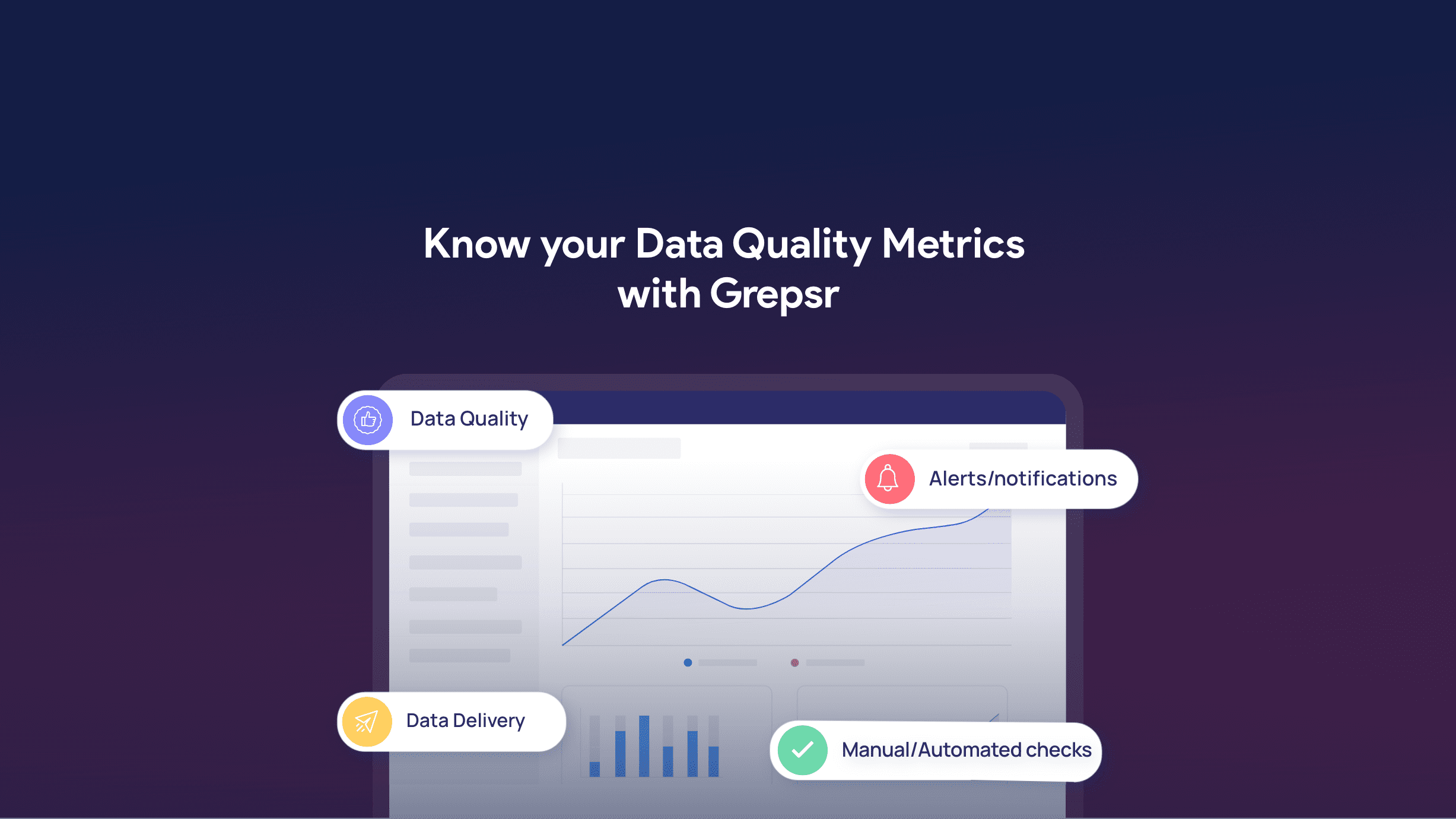
- Track a few steady metrics like duplicate rate, invalid or null values in required fields, and time to correct issues.
As these metrics settle, add the next module. This stepwise growth keeps quality high without overwhelming the team.
Quality also depends on trust and traceability, so governance should travel with every module.
Governance, privacy, and reliability
Modular does not mean loose. Keep lineage so any output can be traced to inputs, model versions, and decisions. Apply role-based access and mask personal data you do not need. Encrypt in transit and at rest. Set clear retention rules so raw and intermediate data do not pile up. Publish a short “module sheet” that lists purpose, inputs, outputs, metrics, and limits. These habits make audits simple and give stakeholders confidence.
To stay honest about progress, you only need a few signals.
Metrics that actually help
A small weekly report is enough:
- Duplicate rate across key entities
- Invalid or null rate in required fields
- Time to detect and fix errors
These numbers show whether AI data cleaning is working and where to focus next.
Finally, a few common traps are easy to avoid with the right mindset.
Pitfalls and how to sidestep them
Automating everything on day one creates a fragile system. Start small and expand as evidence grows. Ignoring drift lets quality slip quietly, so set alerts for distribution shifts and retrain before users notice. Avoid hard lock-in to a single tool that promises to do it all. Modularity is the advantage; keep it.
To ground this in reality, here are two short scenarios.
Two examples from the field
Customer 360 for retail
Multiple systems record the same person with slight differences. A modular pipeline standardizes names and addresses, resolves duplicates, and enriches profiles with channel preferences. Campaigns improve because the audience is clean.
Property leads web scraping
A real estate team gathers listings from many sites. The lake stores raw HTML and extracted entities with source URLs and capture times. Modular AI cleans addresses, standardizes units, detects duplicates across sources, and tags features like “near transit” or “new construction.” Sales gets reliable leads, and data science can train on consistent features.
When you want this approach without building every bolt, there is a straightforward way to start.
How Grepsr helps
Grepsr delivers collection and transformation that fit your stack. We capture high-quality web data, attach provenance, and apply AI data transformation modules for cleaning, enrichment, and safe augmentation. You choose the modules and the delivery format. We align with your schema and quality gates, then deliver to your lake, warehouse, or lakehouse.
Explore Grepsr Services for options and browse outcomes in Customer Stories.
Actionable takeaways
Clean data is not a one-time project. With modular AI, you can continuously improve it. Start with a clear definition of quality, add focused modules that fix the most significant issues, keep people in the loop where judgment matters, and track a few metrics. The payoff shows up in faster analysis, stronger models, and fewer surprises in production.
FAQs: AI Data Transformation
1. What is modular AI in data transformation?
A design approach where small AI components handle tasks like standardization, deduplication, anomaly detection, and enrichment. You combine them to fit your needs.
2. How does AI improve data cleaning?
It learns from historical patterns, fixes common issues automatically, and routes edge cases for review so accuracy keeps improving.
3. What is the role of data augmentation?
To safely expand training data with realistic variations so models learn better and generalize to new cases.
4. Can machine learning be part of ETL?
Yes. Machine learning ETL adapts to changing input data by learning mappings and detecting anomalies more effectively than static rules.
5. How does Grepsr support this approach?
We deliver modular components alongside managed data collection, align them to your schema, attach lineage, and deliver them to your preferred storage, with quality checks.
6. Which industries benefit most
Retail, healthcare, finance, marketplaces, and any domain where inputs are messy or fast-changing.
7. How do I start?
Define quality in simple terms, pick one or two modules with clear ROI, and measure improvements each week before adding more.