In real estate, timing is everything. The best listings do not sit around for long, price cuts happen quietly, and neighborhoods can shift faster than your monthly report cycle. If you are a realtor, broker, or investor, the real advantage is not having more data. It is having the right data at the right moment.
That is what real estate market intelligence is about. It blends live housing data with structured analysis so you can read the market as it moves, not after it moves. When done well, it becomes a daily decision engine: where to price, when to negotiate, which pockets are heating up, and where the next opportunity is likely to appear.
This guide explains how to build a real-time intelligence setup around property market trends, practical RE market analysis, and a workflow for competitive pricing strategy web scraping that supports faster, more confident decisions.
What “real estate market intelligence” means in real life
Real estate market intelligence is the process of collecting, organizing, and analyzing market signals that affect pricing and demand. It usually includes listing activity, comparable pricing, inventory shifts, days on market, and buyer behavior signals.
The “real-time” part matters because the market tells you what is happening before it tells you why. For example:
- A sudden rise in price drops can signal buyer resistance.
- Fewer active listings in a micro-market can signal tightening supply.
- Faster turnover on certain unit types can signal a demand pocket worth targeting.
When your intelligence system captures these signals daily or weekly, you can respond sooner and advise clients with greater credibility.
The core building blocks of live housing data
A strong intelligence setup typically pulls from multiple layers. A single source rarely tells the full story.
Listings and competitor inventory
This includes current asking prices, unit attributes, amenities, photos, status changes, and price cuts. It is the most direct way to measure the market’s “live pulse.”
MLS and internal brokerage data
MLS data adds depth, especially when you want sale outcomes, list-to-close patterns, and historical comps. For brokers, combining MLS with broader web signals can reduce blind spots.
Market context and local indicators
Even basic public signals can improve forecasts and client conversations, like new infrastructure announcements, local employment news, school zone changes, and upcoming supply pipelines.
The goal is not to collect everything. The goal is to build a consistent dataset that updates regularly and supports reliable comparisons.
Monitoring competitor listings and prices
This is one of the highest ROI use cases for realtors and brokers.
When you monitor competitor listings in your target area, you can answer questions like:
- Are nearby sellers repositioning their prices this week?
- Which listings are getting repeated price drops?
- What amenities and photos are top performers in similar inventory?
- Are premium units actually clearing, or are they just being listed at a premium?
This is where competitive pricing strategy web scraping becomes practical. You are not doing it to copy pricing. You are doing it to understand positioning and market response.
A simple and effective competitor monitoring setup usually tracks:
- price and price change history
- days on market
- unit attributes (beds, baths, area, furnishing)
- building and neighborhood tags
- listing status changes (active, pending, removed)
Even if you never build a complex model, these signals alone can improve pricing calls and negotiation strategy.
Automated alerts for new property listings
Speed is a serious edge. Investors want the first look. Realtors want to respond before the listing gets crowded.
A real-time market intelligence workflow often includes alerts like:
- new listings that match a saved buy box
- price drops beyond a set threshold
- listings that are “back on market.”
- sudden inventory changes in a micro-market
These alerts are most effective when properly filtered. A noisy alert system gets ignored. A precise one changes behavior.
Good alert filters include:
- location granularity (not just city, but neighborhood)
- unit type and size band
- budget range and rent or yield thresholds
- keywords (parking, near metro, pet-friendly, furnished)
- listing freshness (last 24 hours, last 3 days)
Integrating MLS data with web-scraped data
MLS data is often richer for transactions. Web data is often richer for real-time supply signals. Together, they tell a complete story.
A practical integration approach looks like this:
- Use MLS as your “truth layer” for closed outcomes and historical comps.
- Use web-extracted listings as your “live layer” for supply, competition, and pricing movement.
- Normalize both into a single schema to avoid two disconnected views in your dashboard.
When you align fields such as location, property type, beds, baths, area, listing date, and price history, your RE market analysis is easier to explain and more credible.
Regional vs national real estate trends
National trends are useful for context. Regional trends drive actual decisions.
Real-time intelligence helps you separate the two:
- National: rates, macro sentiment, broad affordability shifts
- Regional: inventory, migration pockets, local supply pipeline
- Neighborhood-level: days on market, price drops, unit type demand
A clean dashboard usually shows all three layers, but keeps the decision focus on micro-markets. That is where pricing and demand move first.
Identifying investment opportunities online
Investors do not just want “the cheapest property.” They want mispricing, momentum, and clear downside protection.
Real-time real estate analytics can surface opportunities such as:
- micro-markets where rents are rising faster than prices
- areas where inventory is shrinking, and time-to-fill is improving
- listings that sit longer than comps (possible negotiation window)
- properties with repeated price cuts (seller motivation signal)
You can also build lightweight scoring to shortlist deals, even without a full ML model:
- liquidity score (based on days on market and turnover)
- discount score (based on price cuts vs comparable median)
- demand score (based on listing absorption and inquiry proxies)
- rent potential score (based on rent comps and unit features)
This turns browsing into a repeatable pipeline.
A simple weekly “market intelligence” workflow
If you want a starting point that is not over-engineered, use this weekly rhythm:
Step 1: Refresh your live dataset
Pull new listings, status changes, and price updates.
Step 2: Update core market metrics
Track median price and median rent (if you track rentals), inventory, days on market, and share of price drops.
Step 3: Segment by micro-market and unit type
A 2BHK market can behave differently from a studio market in the same neighborhood.
Step 4: Trigger alerts and action lists
Create a “today list” for your team: new hot listings, price drops, and stalled inventory that may be negotiable.
Step 5: Share a short insight note
A short internal note often helps: what moved, why it matters, what to do next.
Data quality and compliance basics
If your intelligence depends on web data, durability matters. Your data pipeline should be built to remain stable over time and comply with platform rules and privacy requirements.
A safe baseline approach is:
- collect only what you need for analysis
- avoid personal or contact data unless you have a clear, lawful purpose
- document what sources you use and how the data is used internally
- design monitoring so broken pages or layout changes do not silently corrupt the dataset
If you want, I can add a short “compliance checklist” section tailored to your exact geography and data sources, without making the blog overly legal.
How Grepsr supports real-time real estate market intelligence
Real-time market intelligence lives or dies on one thing: whether the data shows up clean, consistent, and on schedule. If your team spends more time chasing listing updates than analyzing them, you are not really operating in real time. You are reacting late, just with extra steps.
Grepsr helps real estate teams set up reliable data feeds to monitor competitor inventory, track price movements, and spot listing status changes in real time. Instead of maintaining scrapers and patching broken pages, your analysts receive structured datasets that can be ingested directly into dashboards, alerts, and weekly market notes.
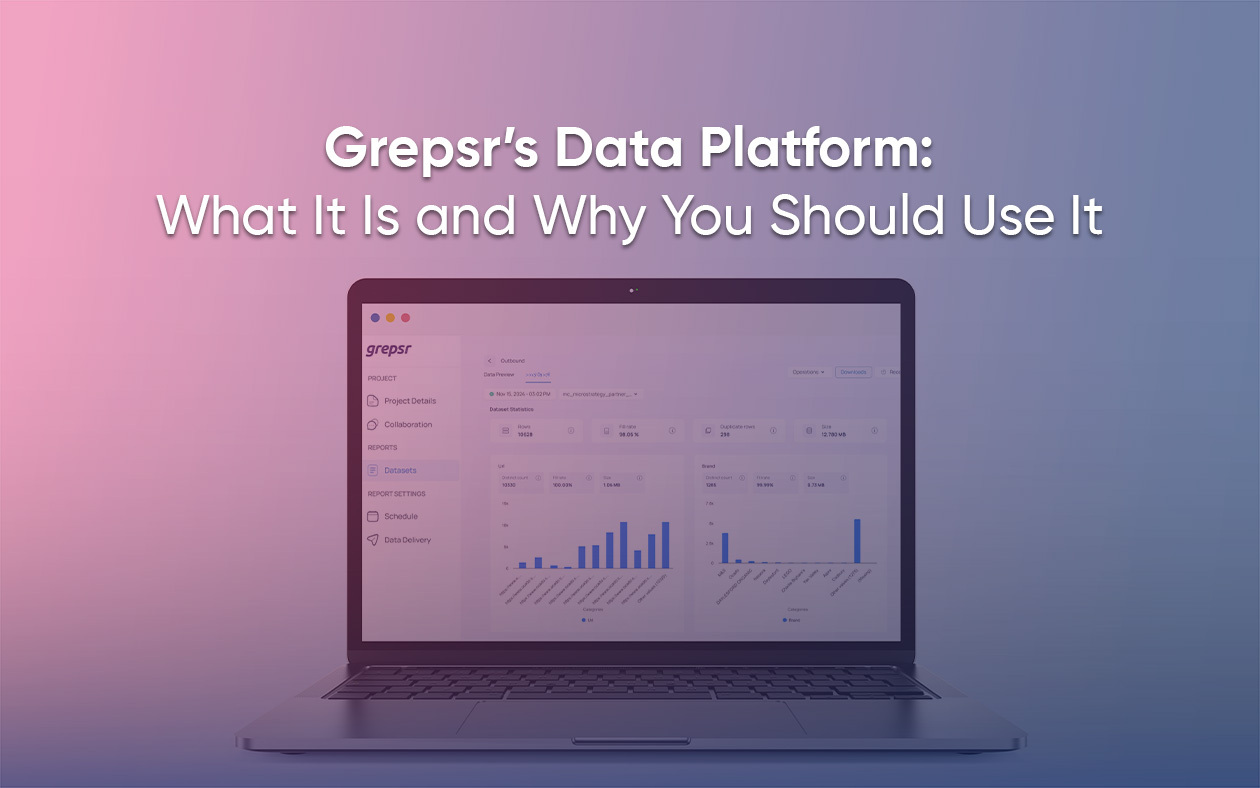
Most teams start with Grepsr’s Data-as-a-Service when they want a fully managed stream, then expand into a dedicated Web Scraping Solution as they add more sources, tighter refresh cycles, or more detailed fields. If you need a central hub to manage datasets, collaborate with teammates, and keep quality checks visible, the Data Management Platform makes this workflow easier to run consistently.
If you want to see how this looks in real-world operations, Grepsr’s Customer Stories feature real estate examples, such as a property management firm that used real estate data extraction to generate new leads. For teams focused on fast-moving listing feeds, Grepsr also breaks down the mechanics of real-time property listing data extraction and explains why reliability matters when tracking competitive shifts. When you are ready to scope sources, fields, refresh frequency, and delivery format, please contact the team via Contact Sales.
Conclusion
Real-time real estate market intelligence is not about building a complicated system. It is about building a dependable one.
When you combine live housing data with smart tracking of competitor listings, automated alerts, and segmented RE market analysis, you stop making decisions based on last month’s averages. You start making decisions based on current market conditions.
For realtors, that means sharper pricing and stronger client trust. For brokers, that means better inventory strategy. For investors, that means faster deal discovery and cleaner downside planning.
Frequently Asked Questions:
- What is real estate market intelligence?
It is the practice of collecting and analyzing market signals like listings, pricing changes, inventory, and demand indicators to understand property market trends and make better decisions.
- How can I efficiently monitor competitor listings and prices?
Track asking price, price changes, days on market, and listing status changes by micro-market and unit type. Automated alerts help you act quickly when movement starts.
- Can I combine MLS data with web data?
Yes. MLS data is strong for transaction outcomes and history. Web-extracted listings are strong for real-time supply and competition signals. Combining both improves coverage and confidence.
- What is a competitive pricing strategy web scraping workflow?
It is a structured way to monitor comparable listings, price movements, and positioning signals, so you can price more accurately and respond faster to shifts in the competitive landscape.
- How do investors use live housing data to find opportunities?
They look for mispricing signals, inventory tightening, price cuts, and pockets of demand. Real-time tracking helps shortlist deals before the market catches up.