In e-commerce, your customers leave clues everywhere; you just need to analyze them. They write long reviews after using a product for two weeks, they drop quick comments after a late delivery, and sometimes they vent on social platforms when they feel ignored. If you only look at star ratings, you miss the story behind the score, and that story is usually where your next growth idea is hiding.
This is where e-commerce sentiment analysis becomes genuinely useful. When you combine review scraping, customer feedback analysis, and online reputation scraping, you start seeing patterns that help marketing, product, and brand teams make better calls without guessing. If you do it well, you can even use web data for SWOT analysis, because strengths and weaknesses show up clearly when you read feedback at scale.
The Power of Sentiment Analytics in E-commerce
Sentiment analytics is not just about labeling a review as “positive” or “negative.” It is about understanding what people feel, why they feel it, and which part of the experience triggered that reaction. Many teams run sentiment analysis using common NLP services or custom models, with the goal of detecting the overall emotional tone in text and summarizing it into signals you can track over time.
When you do this across thousands of reviews, a few practical benefits show up quickly:
- You stop reacting to one loud review and start responding to the most common themes.
- You spot hidden issues early, such as “packaging damage” or “battery drain,” before they become a larger reputation problem.
- You identify feature requests that customers keep repeating, even if they never say it in a formal survey.
Why Marketing Analysts Should Care
Marketing teams already track clicks, conversions, and CAC, but sentiment fills the gap between “what happened” and “why it happened.” It helps marketing analysts read the market in plain language, because customers explain their preferences better than any dashboard does.
A few ways sentiment analytics supports marketing work in real life:
- Sharper positioning: You learn which words customers use when they praise you, and you can mirror that language in product pages and ads.
- Brand health tracking: You can track brand sentiment trends over time, and catch dips early so you fix the root cause before you spend more on acquisition.
- Cleaner competitive comparisons: When you scrape reviews from competing listings, you can see exactly what shoppers love and hate, then turn that into a clear SWOT view without guessing.
How Product Managers Can Benefit from Review Scraping
Product teams usually have internal feedback from support tickets or app reviews, but public reviews are different. They are raw, emotional, and often more honest. The challenge is volume, because no one can read 50,000 reviews manually every month.
That is why review scraping matters. When reviews are collected in a structured way, you can sort by issue type, map complaints to SKUs, and measure whether a fix actually improved sentiment.
What is Review Scraping?
Review scraping is the automated collection of review text, ratings, timestamps, and related metadata from multiple sources, such as marketplaces, retailer sites, and review platforms. This is especially useful when the same product appears across several channels, and the feedback differs in each place.
If you prefer programmatic access, Grepsr’s Web Scraping API explicitly supports customer-review extraction use cases and delivers structured data in formats such as JSON or CSV, ready for analysis.
If you need a source-specific example, Flipkart extraction also lists review analysis as a use case, which is a common need for sellers on Indian and global marketplaces.
Key Benefits for Product Managers
When review scraping is done consistently, product managers get a clearer and calmer way to decide what to build next.
First, it helps with identifying common complaints and feature requests. If “size runs small” appears across hundreds of reviews, that is not a one-off; it is a product decision waiting to happen.
Second, it supports smarter prioritization. Instead of debating ideas based on internal opinions, you can rank issues by frequency, severity, and sentiment impact. That way, your roadmap reflects what customers actually experience.
Third, it makes competitor research practical. You can compare customer feedback themes between your product and a competitor’s, then decide whether to improve a feature, change messaging, or fix a quality issue that is hurting trust.
Online Reputation Scraping for Brand Teams
Brand teams are often the first to feel pressure when sentiment shifts. A few negative reviews in the wrong place can change how new customers perceive you, especially when shoppers compare options side by side.
Online reputation scraping helps brand teams monitor what the public web is saying across channels, not just on one marketplace.
The Role of Online Reputation Scraping
Online reputation scraping is the process of collecting mentions, reviews, and public feedback from multiple digital platforms to measure reputation with evidence rather than gut feeling. It also helps you connect events to sentiment changes, like a packaging update, a shipping partner change, or a new product launch.
This is also where tracking matters. A single week of bad sentiment can be noise, but a steady month-long decline usually signals a deeper operational issue.
How It Helps Brand Teams
It helps in three simple ways.
It enables early threat detection by flagging repeated negative themes before they become a PR issue.
It strengthens trust-building because you can respond to and fix issues based on real patterns rather than generic replies.
It improves competitive positioning because you can see where competitors are praised and where they are punished, and then adjust your strategy with greater clarity.
Grepsr’s Cutting-Edge Solutions
Scraping reviews is not the hard part on its own. The hard part is getting the data reliably every week, keeping it clean, and ensuring it remains usable when websites change layouts or add anti-bot controls.
Grepsr supports teams who want review and sentiment workflows to run like a system, not like a one-time project:
- If you want a managed approach, Grepsr’s Data-as-a-Service handles end-to-end extraction, cleaning, and delivery.
- If you need a scalable foundation for ongoing collection, Enterprise Web Scraping Services are designed for complex sources and frequent changes.
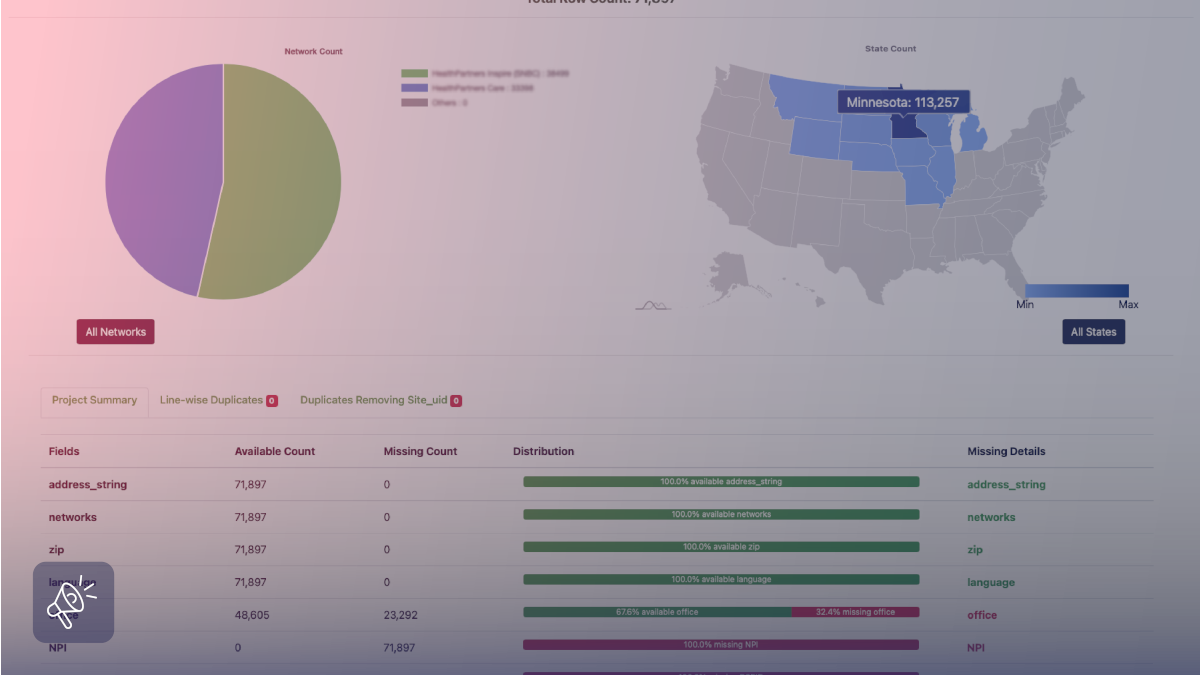
- If your team wants more control over delivery destinations, schedules, and quality monitoring, the Data Management Platform includes dashboards and AI-assisted validation rules you can define in plain English.
- If you want help turning raw text into analysis-ready fields, AI-powered data extraction and processing focus on cleaning, structuring, and enrichment so the data is ready for downstream analytics.
For teams that care about compliance and responsible collection, Grepsr also shares practical guidance on legal and ethical considerations, which is worth keeping in your workflow documentation.
Unique Selling Points of Grepsr’s Services
Grepsr works well for sentiment analytics projects because it treats data quality as a first-class requirement. The platform approach makes it easier to monitor runs, spot breakages early, and validate fields before the dataset reaches your BI tools or models.
It also supports teams that need review scraping at scale, whether you want APIs for integration or fully managed pipelines that keep running even when sources change.
Real-World Applications and Insights
Case Study: Improving Product Development with Sentiment Analysis
A practical example of how this comes together is Grepsr’s customer story of turning social and review data into strategic insights for a major brand, in which the collected content was used to train and power a customer sentiment analysis model.
Another relevant story is App Scraping Done Right, where a fast-growing e-commerce marketplace needed competitor app data that included menus, pricing, and customer reviews, so they could benchmark and launch with better market understanding.
These examples matter because they show the real lesson behind sentiment analytics: once data collection is reliable, teams stop spending energy chasing sources and start spending energy on decisions.
Practical Tips for Effective Sentiment Analysis
Keep these ideas simple and consistent, and your outputs will improve fast.
- Start with clean categories: Before you run models, decide how you want to group feedback, like delivery, packaging, pricing, quality, and support.
- Treat context as part of the data: A “bad” review might be about shipping, not the product, so keep the review text, rating, and topic together.
- Track trends, not just snapshots: A one-week spike can be noise, but a trend line over months can guide real fixes and messaging updates.
- Validate inputs continuously: If your dataset has missing dates, mixed currencies, or broken product IDs, your sentiment dashboard will quietly lie to you, so validation should be part of the pipeline, not a final step.
Actionable Strategies for Success
- Start with one clear question. For example, “What are the top three complaints that cause returns for our best-selling SKUs?”
- Collect reviews from the channels that influence buying. Marketplaces, brand site reviews, app reviews, and social mentions usually cover most of the picture.
- Standardize the dataset before analysis. Normalize fields such as product name, SKU, timestamp, and rating scale to ensure fair comparisons.
- Share the insight across teams. Marketing, product, and operations should all see the same themes; otherwise, fixes become slow and fragmented.
If your goal is to operationalize this, Grepsr’s Web Scraping API is a good fit for teams that want to plug review datasets into existing pipelines, while Data-as-a-Service is a good fit for teams that want the whole workflow managed with quality controls and scheduled delivery.
Conclusion
Online review and sentiment analytics can change how an e-commerce team makes decisions by turning scattered opinions into a clear map of what customers like, what they struggle with, and what they want next. When review scraping and customer feedback analysis are done consistently, you can identify common complaints and feature requests faster, track brand sentiment trends over time with greater confidence, and build dashboards that reflect reality rather than messy inputs.
If you want to move from experiments to a dependable system, start with Grepsr’s Enterprise Web Scraping Services or a fully managed Data-as-a-Service pipeline.
To see how teams have applied similar approaches, browse Customer Stories, including “Turning Social Media Data into Strategic Insights” and “App Scraping Done Right”.
FAQ: E-commerce Sentiment Analysis
1. What is sentiment analysis in e-commerce?
Sentiment analysis in e-commerce is the process of analyzing customer text, such as reviews and comments, to identify the emotional tone behind it so teams can track positive, negative, or neutral themes at scale.
2. How can review scraping benefit marketing analysts?
It helps marketing teams understand what customers praise or complain about most often, so messaging, targeting, and positioning become more grounded in real customer language.
3. What are the risks of not monitoring online reputation?
If you do not monitor sentiment and review patterns, negative themes can grow quietly, affect conversion rates, and damage trust before your team realizes what changed.
4. Why should product managers use sentiment analytics?
It helps product managers spot repeated complaints and feature requests, prioritize fixes, and validate whether changes actually improve customer experience.
5. How does Grepsr assist in sentiment analysis workflows?
Grepsr helps by collecting review and social data reliably, cleaning and structuring it, and adding monitoring and validation so the dataset remains trustworthy for dashboards and models.
What makes Grepsr different from basic scraping scripts?
Grepsr is designed for production pipelines, with scalable infrastructure, quality controls, and managed delivery options that keep datasets consistent even when sources change frequently.